 By Lal Singh
 No — diamonds are generally not considered a good investment compared to other assets like gold, real estate, or stocks. While they hold emotional and luxury value, their financial return potential is limited and often disappointing. Let’s look at it clearly and practically.
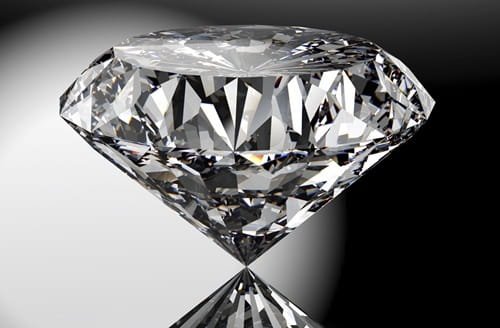
What Makes People Consider Diamonds as an Investment?
Diamonds are rare, durable, and have always been associated with wealth and status. Because of this, many people assume they will increase in value over time, just like gold.
You’ll often see high-end brands like De Beers promoting diamonds as timeless assets. This marketing has played a big role in shaping the belief that diamonds are a smart financial choice.
But in reality, the investment side is very different.
Why Diamonds Are NOT a Good Investment
1. Poor Resale Value
The biggest issue with diamonds is resale.
- When you buy a diamond, you pay retail price (which includes brand premium, making charges, and margins)
- When you sell it, you usually get 20%–50% less than what you paid
Unlike gold, there is no standard buyback system across the market.
2. No Standard Pricing System
Gold has a fixed daily price across the world. Diamonds do not.
Their price depends on:
- Cut
- Clarity
- Color
- Carat (the 4Cs)
Even small differences can change the price significantly, making valuation confusing and inconsistent.
3. High Retail Markups
Diamond jewelry includes:
- Making charges
- Brand markup
- Retail margin
These costs are not recoverable when you sell the diamond. So from day one, you are already at a loss.
4. Low Liquidity
Selling diamonds is not easy.
- You can’t just sell it instantly like stocks or gold
- You often need to find a buyer or go through a jeweler
- Prices offered are usually much lower than expected
This makes diamonds a low-liquidity asset.
5. No Passive Income
Diamonds do not generate:
- Interest
- Rent
- Dividends
The only way to profit is if the price increases — which rarely happens significantly.
6. Lab-Grown Diamonds Impact
The rise of lab-grown diamonds has changed the market.
These diamonds look identical to natural ones but are much cheaper. This has reduced the exclusivity and long-term price potential of natural diamonds.
When Diamonds Can Make Sense
Even though diamonds are not great investments, they can still make sense in certain cases:
1. For Jewelry and Personal Use
If you’re buying diamonds for:
- Weddings
- Occasions
- Personal luxury
Then it’s fine. Just don’t expect financial returns.
2. Rare, High-Quality Diamonds
Very rare diamonds (like large, flawless stones) can sometimes appreciate in value. But:
- They require expert knowledge
- They involve very high investment
- They are not accessible to most people
Diamond vs Gold (Simple Comparison)
- Gold
- Standard pricing
- Easy to sell
- Good store of value
- Diamonds
- No fixed pricing
- Hard to sell
- Weak returns
This is why gold is considered a much better investment option.
Diamond vs Other Investments
Diamonds vs Stocks / Mutual Funds
- Stocks can grow wealth over time
- Diamonds mostly preserve emotional value, not financial value
Diamonds vs Real Estate
- Real estate can generate rental income
- Diamonds generate nothing
Who Should Avoid Diamonds as an Investment?
You should avoid buying diamonds for investment if:
- You want wealth growth
- You want easy resale
- You are investing your hard-earned savings
Who Can Still Buy Diamonds?
You can buy diamonds if:
- You value luxury and aesthetics
- You are okay with low resale value
- You are not depending on it for financial returns
Final Verdict
Diamonds are not a smart investment choice for most people.
They are better seen as:
- A luxury purchase
- A symbol of emotion or status
But not a financial asset that grows your money.