 By Lal Singh
 Yes — a Fixed Deposit (FD) is a good investment for safety and stability, but not for high returns. It’s one of the simplest and most trusted options in India, especially for people who don’t want to take risks with their money. Let’s understand it clearly.
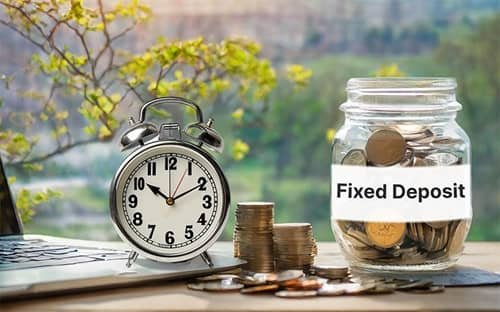
What is a Fixed Deposit?
A Fixed Deposit (FD) is a financial product offered by banks and financial institutions where you deposit a lump sum for a fixed period at a fixed interest rate.
- Tenure: 7 days to 10 years
- Interest: Fixed at the time of investment
- Risk: Very low
Popular banks offering FDs include:
- State Bank of India
- HDFC Bank
- ICICI Bank
How Does FD Work?
- You deposit a fixed amount
- The bank pays interest (monthly, quarterly, or at maturity)
- At the end of the tenure, you receive your principal + interest
The interest rate is locked in, so it doesn’t change even if market rates fluctuate.
Why FD is Considered a Good Investment
1. Safe and Secure
FDs are among the safest investment options.
- Bank deposits are regulated
- Up to ₹5 lakh per bank is insured under deposit insurance
This makes FDs ideal for conservative investors.
2. Guaranteed Returns
You know exactly how much you’ll earn.
- No market risk
- No price fluctuations
This predictability is a big advantage.
3. Flexible Tenure
You can choose short-term or long-term FDs depending on your needs.
- Emergency funds → short-term FD
- Savings goals → long-term FD
4. Regular Income Option
You can receive interest:
- Monthly
- Quarterly
This makes FDs useful for retirees or people needing steady income.
5. Easy to Open and Manage
FDs are simple.
- Can be opened online in minutes
- No complex knowledge required
Downsides of FD You Should Know
1. Lower Returns
FD interest rates are usually around 5%–7.5%.
- Lower than mutual funds or stocks
- May not beat inflation
This reduces real wealth growth.
2. Tax on Interest
FD interest is fully taxable.
- Added to your income
- Taxed as per your slab
This further reduces actual returns.
3. Premature Withdrawal Penalty
If you break an FD early:
- You pay a penalty
- You may get lower interest
4. No Wealth Creation
FDs are good for preserving money, not multiplying it.
They don’t offer significant long-term growth.
Who Should Invest in FD?
FD is a good option if you are:
- A risk-averse investor
- Looking for capital protection
- Wanting fixed and predictable returns
- Planning for short-term goals
Who Should Avoid FD?
FD may not be ideal if:
- You want high returns
- You are investing for long-term wealth creation
- You are comfortable taking some risk
FD vs Other Investment Options
FD vs PPF
- FD → Flexible but taxable
- Public Provident Fund (PPF) → Tax-free but long lock-in
FD vs Mutual Funds
- FD → Safe, low return
- Mutual funds → Higher return, higher risk
FD vs NPS
- FD → Liquidity and simplicity
- NPS → Better for retirement and tax benefits
When FD Makes the Most Sense
FD works best for:
- Emergency funds
- Short-term savings (1–3 years)
- Parking surplus money safely
It should not be your only long-term investment.
Smart Strategy with FD
Instead of putting all your money in FD:
- Keep some in FD for safety
- Invest some in mutual funds for growth
- Use PPF for tax-saving and long-term security
This balance gives both safety and returns.
Final Verdict
FD is a good investment for safety and stability, but not for growing wealth.
It is:
- Safe
- Simple
- Predictable
But limited in returns.