 By Lal Singh
 Yes — a Systematic Investment Plan (SIP) is a very good investment method, especially for long-term wealth creation. It is simple, flexible, and powerful when used consistently. While it does involve market risk, SIP is one of the best ways for beginners and regular investors to build wealth over time.
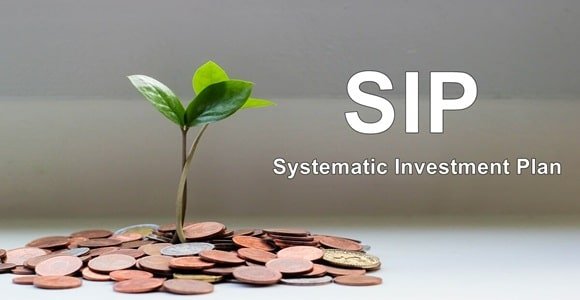
What is SIP?
A Systematic Investment Plan (SIP) is a way of investing a fixed amount regularly (monthly, weekly, or quarterly) into mutual funds.
Instead of investing a large sum at once, SIP allows you to invest small amounts consistently.
For example:
You invest ₹2,000 every month into a mutual fund.
How Does SIP Work?
- You choose a mutual fund
- Decide a fixed amount (like ₹1,000/month)
- The amount is automatically invested
SIP buys more units when prices are low and fewer when prices are high. This concept is called rupee cost averaging.
Over time, this helps reduce the impact of market volatility.
Why SIP is Considered a Good Investment
1. Power of Compounding
SIP benefits from compounding — earning returns on your returns.
If you invest regularly for 10–20 years, even small amounts can grow into a large corpus.
👉 Example:
₹5,000/month for 20 years at 12% return can grow to over ₹50 lakh.
2. Affordable for Everyone
You don’t need a big amount to start.
- Minimum SIP can be as low as ₹500
- Ideal for students, beginners, and salaried people
3. Reduces Market Timing Risk
Many people lose money trying to “time the market.”
SIP removes that problem:
- You invest regularly
- No need to guess market highs or lows
4. Rupee Cost Averaging
When markets fall:
- You buy more units
When markets rise:
- You buy fewer units
This balances your overall cost and reduces risk.
5. Disciplined Investment Habit
SIP builds consistency.
- Automatic deductions
- No emotional decisions
- Long-term focus
6. Flexible and Convenient
You can:
- Increase or decrease amount
- Pause SIP anytime
- Withdraw (except ELSS lock-in funds)
This flexibility makes SIP very user-friendly.
Downsides of SIP You Should Know
1. Market Risk
SIP invests in mutual funds, which are market-linked.
- Returns are not guaranteed
- Short-term losses are possible
2. Requires Patience
SIP is not for quick profits.
- You need to stay invested for 5–10+ years
- Early withdrawal can reduce returns
3. Wrong Fund Selection Risk
Choosing a poor mutual fund can affect returns.
Not all SIPs perform equally well.
4. Emotional Mistakes
Many investors stop SIPs during market crashes — which is the biggest mistake.
SIP works best when you stay consistent.
Who Should Invest in SIP?
SIP is ideal if you are:
- A beginner investor
- A salaried person with monthly income
- Looking for long-term wealth creation
- Willing to take moderate risk
Who Should Avoid SIP?
SIP may not be suitable if:
- You need guaranteed returns
- You want short-term gains
- You cannot handle market ups and downs
SIP vs Other Investment Options
SIP vs Fixed Deposit (FD)
- SIP → Higher potential returns, market risk
- FD → Safe but lower returns
👉 SIP is better for long-term growth.
SIP vs PPF
- SIP → Market-linked, higher growth
- Public Provident Fund (PPF) → Safe, tax-free, but lower returns
👉 Both together create balance.
SIP vs Lump Sum Investment
- SIP → Reduces risk, ideal for regular investors
- Lump sum → Better in rising markets but riskier
Types of SIP You Can Choose
- Equity SIP → High return, high risk
- Debt SIP → Low risk, stable returns
- Hybrid SIP → Balanced approach
Choose based on your risk level.
Common Mistakes to Avoid in SIP
- Stopping SIP during market fall
- Expecting quick returns
- Investing without goal
- Choosing random funds
Consistency is the key.
Best Way to Use SIP
To get the best results:
- Start early
- Invest regularly
- Increase SIP amount yearly
- Stay invested for long term
Even increasing SIP by 10% every year can significantly boost your returns.
Real-Life Example
Let’s say:
- ₹3,000/month SIP
- Duration: 15 years
- Average return: 12%
👉 Final amount ≈ ₹15–20 lakh
This shows how small investments grow over time.
Final Verdict
SIP is a very good investment method for long-term wealth creation.
It is:
- Simple
- Flexible
- Powerful
But requires patience and discipline.