 By Lal Singh
 In most normal shop, showroom, clinic, hotel or service-bill situations, charging 2% extra only because the customer pays by credit card is not legally clean and can be challenged. The merchant may have to pay card-processing cost to the bank or payment company, but casually passing that cost to the customer as “2% card charge” is risky, especially when it is not disclosed before purchase.
The confusion comes because merchants often say, “Bank is charging us 2%, so you must pay it.” That sounds practical, but the law and payment rules do not work so casually. The customer agreed to pay the product or service price. The merchant’s payment-processing cost is normally part of the business cost, like rent, electricity, staff salary or POS machine cost.
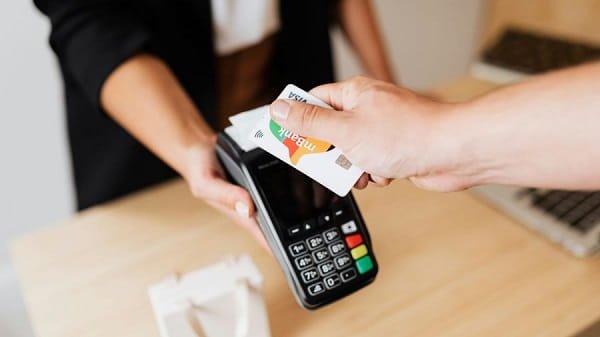
What Is This 2% Charge?
The 2% extra amount is usually called MDR, card swipe charge, POS charge, surcharge, or credit card processing fee. Technically, the main cost is Merchant Discount Rate. This is the fee that the merchant pays to the acquiring bank, payment aggregator or payment processor for accepting card payments.
Visa explains that merchants do not directly pay interchange fees; instead, they negotiate and pay a “merchant discount” to their financial institution, usually calculated as a percentage per transaction.
So, if a customer buys an item for ₹10,000 by credit card and the merchant’s cost is around 2%, the merchant may receive slightly less after settlement. But that does not automatically mean the merchant can add ₹200 to the customer’s bill without proper rules.
Debit Card and Credit Card Are Not the Same
For debit card transactions, the RBI position is clearer. RBI’s 2017 MDR circular says banks must ensure that merchants onboarded by them do not pass MDR charges to customers while accepting debit cards.
For credit cards, the situation is more complicated. India does not have one simple public rule saying “every 2% credit card surcharge is always legal.” At the same time, many merchant agreements, acquiring-bank terms, card-network rules and payment-gateway policies restrict how surcharges can be charged. Some require prior notice, clear disclosure, separate line-item billing and compliance with the actual cost.
Visa’s merchant-surcharge information says merchants must notify Visa and their acquirer 30 days before they begin surcharging. This shows that surcharge is not something a shopkeeper can casually invent at the billing counter.
Surprise 2% Charge Is the Biggest Problem
If the merchant tells you after billing, “Credit card? Then 2% extra,” that is highly questionable. The customer should know the final payable amount before making the purchase decision.
A hidden or last-minute surcharge may be treated as an unfair billing practice, especially if:
- the price tag shows one price but the card bill shows a higher price,
- the merchant did not disclose the extra charge before purchase,
- the merchant refuses card payment unless 2% is added,
- the merchant gives no proper invoice for the extra amount,
- the merchant collects it separately in cash,
- or the merchant adds GST wrongly or avoids recording the charge.
Even if a merchant wants to recover payment-processing cost, transparency is compulsory. A customer cannot be trapped after the sale is complete.
Surcharge vs Convenience Fee
A surcharge is usually a percentage charge added because the customer used a credit card. A convenience fee is different. It is usually charged for using a particular payment channel or platform, such as online ticket booking, bill payment portal, or app-based booking.
RBI’s discussion paper on payment charges describes surcharge as a charge imposed by a merchant on a customer for using a particular payment mode, while convenience fees are charged by some online platforms or service providers.
This difference matters. A clearly disclosed platform convenience fee may be allowed in some cases. But a physical shop simply adding “2% extra for credit card” without proper approval and disclosure is much weaker legally.
Can Petrol Pumps and Online Portals Charge Extra?
Some sectors have special practices. Petrol pumps, railway bookings, airline bookings, government portals, ticketing platforms and some utility payments may show separate transaction charges, convenience fees or fuel surcharges. Credit cards also commonly mention fuel surcharge in their terms.
But these are specific cases. They should not be confused with a normal merchant casually adding 2% on a retail purchase, medical bill, coaching fee, jewellery bill, car service bill or electronics purchase.
Can the Merchant Offer a Cash Discount Instead?
A merchant can usually decide its pricing strategy, but it must not mislead customers. For example, saying “MRP ₹10,000, cash discount ₹200” is different from saying “MRP ₹10,000, card payment ₹10,200” after the customer has already agreed to buy.
Even cash discount should be transparent and properly invoiced. It should not be used to hide tax evasion or pressure customers away from digital payments.
What Can a Customer Do?
If a merchant demands 2% extra for credit card payment, first ask them to remove it or show the written rule allowing it. Also ask for a proper tax invoice showing the charge separately.
If they still force it, you can pay under protest and keep proof: bill, POS slip, photo of the surcharge board, WhatsApp chat, quotation, or payment screenshot. Then complain to the card-issuing bank, the POS/acquiring bank if known, and the payment network or payment aggregator. RBI’s Integrated Ombudsman route is free for eligible complaints against regulated entities.
You can also raise a consumer grievance through the National Consumer Helpline. The official NCH contact page lists 1915 and 1800-11-4000 for registering grievances.
Final Answer
Charging 2% extra for credit card payment is not safe as a blanket practice in India. For debit cards, RBI has clearly told banks to ensure merchants do not pass MDR to customers. For credit cards, a merchant cannot casually add 2% at the counter without proper disclosure, acquirer/card-network compliance, invoice treatment and customer consent.
The clean rule is simple: the displayed price should be the real price. If any extra payment charge applies, it must be told clearly before the transaction, billed transparently, and allowed under the merchant’s payment agreement. A surprise “2% extra for credit card” is not a fair billing practice and can be challenged.
 Meghna Sharma