 By Lal Singh
 In many parts of India, chit funds and local “committee” savings systems are common methods of borrowing and saving money. These systems are especially popular among small business owners, salaried employees, homemakers, and local communities because they provide easier access to funds compared to traditional bank loans.
However, while some chit funds operate legally under government regulations, many fraudulent schemes disguise themselves as “committees” or investment groups and eventually disappear with people’s money. Over the years, India has witnessed several major financial scams where thousands of investors lost their savings after trusting unregistered operators.
Understanding the difference between a legal registered chit fund and a fraudulent committee scam is extremely important for protecting personal finances.
What is a Chit Fund?
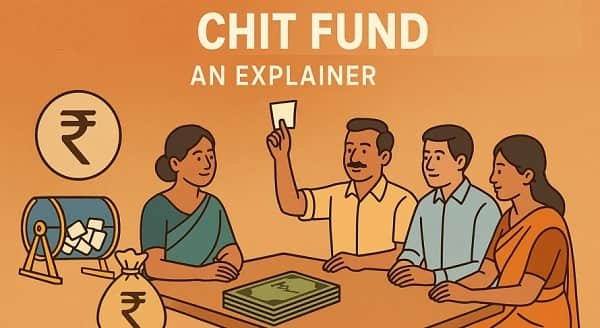
A chit fund is a financial arrangement where a group of people contribute a fixed amount regularly into a common pool.
Every month:
- One member receives the pooled amount
- The winner is selected through auction, bidding, or lottery systems depending on the structure
This process continues until every member receives the chit amount once.
Legal chit funds in India are regulated under the Chit Funds Act, 1982 and monitored by state government authorities.
What is a Committee Scam?
A fraudulent committee scam usually imitates traditional chit fund systems but operates without proper registration, transparency, or legal compliance.
These scams often:
- Promise unrealistic returns
- Use verbal agreements only
- Lack official records
- Disappear after collecting money
Many victims join because the organizer is a friend, relative, neighbor, or local acquaintance.
Why People Fall for Fraudulent Committees
Fraudulent schemes attract people because they:
- Require minimal paperwork
- Offer quick access to cash
- Operate within trusted social circles
- Promise high profits
- Avoid strict bank formalities
Unfortunately, trust-based informal systems are easier to manipulate.
How Legal Registered Chit Funds Work
A legal registered chit fund usually follows strict procedures.
1. Government Registration
A legitimate chit fund must be registered with the relevant state authority.
Operators generally require:
- Registration certificates
- Compliance approvals
- Official documentation
Without registration, the operation may be illegal.
2. Proper Written Agreements
Registered chit funds provide:
- Chit agreements
- Member records
- Payment schedules
- Auction rules
Everything is documented formally.
3. Transparent Auctions
Legal chit funds conduct:
- Proper bidding procedures
- Transparent member selection
- Recorded auctions
Members can verify transactions openly.
4. Defined Rules and Penalties
Registered chit funds clearly explain:
- Default penalties
- Payment timelines
- Foreman commission
- Withdrawal conditions
This creates accountability.
Major Signs of a Fraudulent Committee Scam
1. No Registration Proof
One of the biggest warning signs is refusal to show government registration documents.
If the organizer says:
- “No paperwork needed”
- “Everything runs on trust”
- “Registration is unnecessary”
you should be extremely cautious.
2. Unrealistic Returns
Fraudulent schemes often promise:
- Double money quickly
- Guaranteed high profits
- Risk-free earnings
Legitimate chit funds are not designed to generate extraordinary investment returns.
3. Cash-Only Transactions
Scammers often avoid:
- Bank transfers
- Receipts
- Official records
They may insist on cash collections to avoid financial tracking.
4. No Written Agreements
If there are:
- No contracts
- No member documents
- No payment records
the risk of fraud increases significantly.
5. Pressure to Join Quickly
Fraud operators commonly use urgency tactics like:
- “Last chance”
- “Limited seats”
- “Join today or miss profits”
Genuine financial systems do not require emotional pressure selling.
6. Organizer Lifestyle Mismatch
Some scam organizers display:
- Sudden luxury spending
- Expensive cars
- Lavish lifestyles
while using new members’ money to maintain appearances.
This may resemble Ponzi-style operations.
Importance of Checking Registration
Before joining any chit fund:
- Ask for registration number
- Verify with state registrar authorities
- Check company records
- Review online complaints if available
Verification is essential even if the organizer is personally known.
Difference Between Chit Funds and Ponzi Schemes
Many people confuse chit funds with Ponzi scams, but they are different.
| Basis | Legal Chit Fund | Fraudulent Scam |
| Regulation | Registered and monitored | Often illegal or unregistered |
| Transparency | Structured records | Hidden operations |
| Returns | Based on member contributions | Fake guaranteed profits |
| Risk Level | Moderate | Extremely high |
| Documentation | Formal agreements | Often verbal only |
A legal chit fund still carries financial risk, but fraud schemes are designed mainly to deceive participants.
Risks Even in Legal Chit Funds
Even registered chit funds are not completely risk-free.
Potential risks include:
- Member defaults
- Delayed payments
- Poor management
- Financial disputes
Therefore, investors should participate only with:
- Trusted operators
- Verified registrations
- Affordable contribution amounts
Safer Alternatives for Savings and Borrowing
Instead of risky informal committees, people may consider:
- Bank recurring deposits
- Credit cooperative societies
- Self-help groups
- Small finance banks
- Regulated investment products
Formal financial systems generally provide stronger legal protection.
What to Do if You Suspect a Scam
If you believe a committee or chit scheme is fraudulent:
- Stop making further payments
- Collect transaction proof
- Inform other members
- File a police complaint if necessary
- Report the matter to financial authorities
Early action may help reduce losses.
Financial Awareness is the Best Protection
Many committee scams succeed because participants:
- Do not verify legality
- Depend entirely on trust
- Ignore documentation
- Chase high returns
Basic financial awareness can prevent major losses.
Before investing money anywhere, always ask:
- Is it registered?
- Is documentation available?
- Are transactions transparent?
- Are promises realistic?
Conclusion
A legal registered chit fund and a fraudulent committee scam may appear similar initially, but the differences are extremely important. Registered chit funds operate under legal frameworks with documentation, transparency, and regulatory oversight, while fraudulent committees often depend on secrecy, unrealistic promises, and informal trust-based systems.
In today’s financial environment, protecting savings requires caution, verification, and awareness. No matter how trustworthy the organizer appears, people should always check registrations, maintain records, and avoid schemes that promise unrealistic profits.
Careful financial decisions today can prevent devastating losses tomorrow.
FAQs
Q: Are all chit funds illegal in India?
A: No. Registered chit funds operating under legal regulations are permitted in India.
Q: How can I check if a chit fund is registered?
A: You can ask for registration details and verify them with the relevant state registrar authority.
Q: Are committee savings groups always scams?
A: No. Some informal groups function honestly, but lack of regulation increases risk significantly.
Q: What is the biggest warning sign of a fraud committee?
A: Lack of registration and unrealistic guaranteed returns are major warning signs.
Q: Should cash-only financial schemes be avoided?
A: Cash-only systems without receipts or records carry higher fraud risks.
Q: Can legal chit funds still involve risk?
A: Yes. Even registered chit funds may face defaults or management problems.
Q: What should I do if I lose money in a committee scam?
A: Collect evidence, stop payments, inform authorities, and file a complaint as early as possible.