 By Lal Singh
 Mostly no. A quick-commerce dark store inside a residential flat is usually not legally safe in India unless the building, municipal authority, landlord/society, fire department and required regulators clearly permit that use. A flat is meant for living. A dark store is a mini-warehouse or fulfilment centre where goods are stored, packed and dispatched through delivery riders. That difference matters legally.
Quick-commerce looks smooth from the customer side: tap the app, order groceries, snacks, milk, medicines or daily-use items, and delivery arrives in 10–20 minutes. But behind that speed is a high-pressure storage and delivery network. A dark store may have shelves, stock, refrigerators, packaging material, workers, scanners, delivery bags, riders, bikes, waste and constant movement. If all this happens inside a residential apartment, it can create zoning, safety, nuisance and licensing problems.
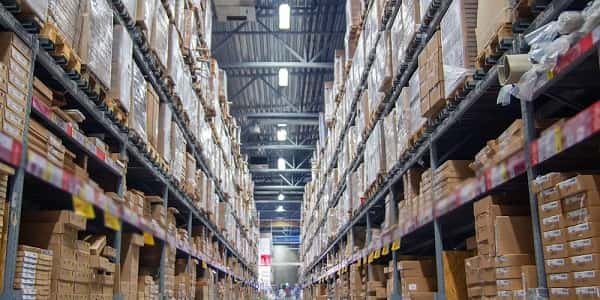
What Is a Dark Store?
A dark store is not a normal shop open to walk-in customers. It is a closed fulfilment centre used to serve online orders. Customers do not visit it, but staff pick, pack and hand over items to delivery partners.
Legally, however, “no walk-in customers” does not automatically make it residential use. It is still a business operation. In many cases, it works like a warehouse, stock room, dispatch centre, grocery storage unit or e-commerce fulfilment hub.
Why a Flat Is Usually Not Suitable
Residential flats are approved for residence. They are not normally approved for warehousing, cold storage, dispatch operations or commercial stock movement. Building bye-laws and zoning plans generally separate residential use from commercial and storage use. Model Building Bye-Laws are meant to regulate building use, coverage, height, safety and orderly development, and local authorities use such rules to control what activities can run from which premises.
A small home office is different from a dark store. A person doing laptop work from home may not disturb the building. But a dark store brings stock, workers, delivery riders, loading/unloading, packaging waste and vehicle movement. That is why housing societies and municipal bodies may object.
Society and Landlord Permission Matter
If the flat is in an apartment society, the owner or tenant should check society by-laws first. Many societies allow only residential use. Even when they allow limited professional work, they may not allow godown, warehouse, commercial kitchen, stock storage or delivery-hub activity.
If the flat is rented, the rental agreement may also restrict use to residential purpose. Running a dark store without the landlord’s written permission can become a breach of agreement. The landlord may ask the tenant to stop the business or vacate.
Trade Licence and Shops Registration
A dark store is a commercial establishment. It may need local trade licence, Shops and Establishments registration, municipal permission and other local approvals. Shops and Establishments laws generally cover commercial establishments, including offices, warehouses, stores and business premises.
This is important because many people think, “It is only online delivery, so no licence is needed.” That is wrong. Online business still needs a physical compliant place for storage and dispatch.
FSSAI Licence for Food and Grocery Storage
If the dark store stores or sells food items such as snacks, milk, packaged foods, beverages, fruits, vegetables, frozen food or groceries, FSSAI compliance becomes important. FSSAI’s licensing system covers food business operators, and e-commerce food storage or distribution activity cannot be treated casually.
In 2025, food-safety checks on dark stores became stricter. Reports said Maharashtra FDA acted against quick-commerce dark stores for issues such as missing approvals and hygiene violations. A Blinkit-linked dark store in Pune reportedly faced action for operating without required FSSAI approval, and authorities said no food business operator can operate without FSSAI licence.
This shows that dark stores are now under active regulatory watch, especially when food items are involved.
Fire Safety and Building Risk
A dark store inside a flat can create fire-safety concerns. Stocked cardboard boxes, plastic packaging, refrigerators, batteries, electrical extensions, chargers, delivery bags and crowded storage can increase risk. If the flat has only one entrance, narrow corridors or no proper fire exit, the danger becomes higher.
Residential buildings are not always designed for continuous commercial storage and dispatch work. In high-rise buildings, even small violations can become serious because evacuation is difficult. Fire NOC, electrical safety and building-use permission should be checked before starting such activity.
Delivery Riders and Public Nuisance
Even if customers do not visit the flat, delivery riders will. A quick-commerce dark store works only when riders come and go frequently. This can create parking issues, noise, security concerns, lift usage problems, crowding near gates and arguments with residents.
If neighbours complain, the society, police or municipal authority may step in. A business that disturbs peaceful residential living can be stopped even if the owner says it is “only storage.”
Can It Be Legal in Mixed-Use or Commercial Property?
Yes, dark stores can be legal when they operate from properly permitted premises. A ground-floor commercial unit, approved warehouse, mixed-use building, market area or industrial/commercial space is much safer than a residential flat.
Even in mixed-use areas, approvals may still be needed. Legal commentary on dark stores in Indian residential zones notes that even mixed-use operations may require approvals such as fire NOC, trade licence and conversion charges, while residential zones may not permit warehousing.
So, the safer route is not to hide a dark store inside a flat, but to choose a property already approved for commercial storage or fulfilment activity.
GST and Labour Compliance
A quick-commerce dark store may also need GST registration depending on turnover and business model. If workers are employed, labour-law compliance, wage records, working hours, employee safety and Shops and Establishments rules may apply.
If the store is run as a franchise or backend partner for a quick-commerce platform, the agreement should clearly mention who is responsible for licences, FSSAI, rent, staff, insurance, fire safety and regulatory penalties.
Final Answer
A quick-commerce dark store inside a residential flat is usually not legally advisable in India. It may violate residential-use rules, society by-laws, rental terms, municipal permissions, fire safety norms and food-safety requirements.
The clean rule is simple: a flat can be a home, not a hidden warehouse. If the activity involves stock storage, packing, workers and delivery riders, it should be run from a properly approved commercial, mixed-use or warehouse space with trade licence, FSSAI licence where needed, fire safety compliance and written permission from the property owner.
 Meghna Sharma