 By Lal Singh
 Yes — car wrap advertisements are legal in India, but only when certain RTO and Motor Vehicles Act conditions are followed.
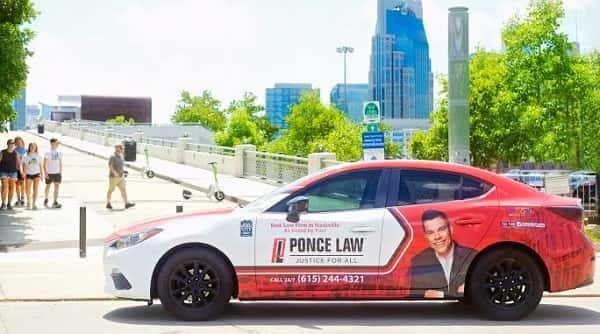
Car wraps have become a popular way for brands and individuals to earn extra income, simply by covering a car’s body with branded advertising and driving around as usual. It looks simple, but many car owners wonder if turning a personal or commercial vehicle into a moving billboard could land them in trouble with the RTO (Regional Transport Office). The short answer is that it’s allowed, but the rules around how it’s done matter quite a bit.
What RTO Rules Actually Care About
The Motor Vehicles Act and related RTO rules aren’t concerned with advertising itself; they’re focused on road safety, vehicle identification, and registration compliance. A few specific points come up again and again.
Number plates must stay visible: The registration number, written in the prescribed format and color, must remain clearly visible and unobstructed at all times. A wrap design that covers, alters, or blends into the number plate area is a violation, regardless of how creative the design is.
Vehicle color details must match registration records: If a wrap significantly changes the visible color of the vehicle from what’s recorded in the Registration Certificate (RC), this can technically count as an unauthorized alteration, since vehicle color is a registered detail.
Reflective and safety markings can’t be blocked: Wraps should not cover mandatory reflective tape, indicators, headlights, or other safety-related fittings, since these exist for road safety reasons.
Commercial Use Adds Another Layer
Whether the vehicle is private or commercial changes how strictly this is treated.
Private vehicles used purely as a moving ad generally face fewer formal restrictions, as long as the wrap doesn’t interfere with number plates or safety elements. Many companies use this model by paying private car owners to drive around with branded wraps.
Vehicles earning direct commercial income from advertising can attract more scrutiny in some states, especially if the vehicle is being used in a way that resembles a commercial activity. A few state transport departments have specific guidelines or require basic permissions before a vehicle is used for paid advertising campaigns at scale.
Vehicles already registered as commercial (taxis, delivery vans, etc.) usually have more flexibility for branding and wraps, since advertising on commercial vehicles is a long-standing and widely accepted practice.
What Can Get a Wrapped Car into Trouble
Even though wraps themselves are legal, a few common mistakes lead to fines or RTO objections.
Covering or distorting the number plate is the most frequent issue, since traffic police and RTO checks rely heavily on quick number plate visibility. Using reflective or mirror-finish wraps that interfere with visibility or glare can also raise safety concerns. Wraps that completely change the vehicle’s appearance to look like an entirely different make or model, without updating RC details, can occasionally be questioned during routine checks or renewals.
A Simple Way to Stay on the Safe Side
Car wrap companies that operate professionally usually follow a basic checklist: keep number plates fully visible, avoid covering lights and safety features, stick to the original vehicle color as far as practical at the RC level, and avoid materials that affect visibility or reflectivity standards. Following this checklist is generally enough to keep a wrapped car compliant during normal RTO inspections.
The Simple Takeaway
Car wrap advertisements are legal under Indian RTO rules, and there’s no specific law banning them outright. The real requirement is that the wrap shouldn’t interfere with number plate visibility, safety equipment, or major registered details like vehicle color. For private vehicles used as advertising space, staying within these basic limits is usually all that’s needed; for larger commercial advertising campaigns, checking with the local RTO beforehand is a smart extra step.