 By Lal Singh
 Access to cash is a basic need in everyday life. Earlier, people had to visit banks during working hours and stand in long queues to withdraw money. The introduction of Automated Teller Machines (ATMs) changed this experience completely. ATMs made banking faster, more convenient, and available beyond traditional bank counters.
Today, ATMs are an essential part of the banking system. They offer many services besides cash withdrawal, such as balance inquiry and fund transfer. However, despite their usefulness, ATMs also have limitations related to security, cost, and technical reliability.
To understand their real impact, let’s examine the advantages and disadvantages of ATMs in detail.
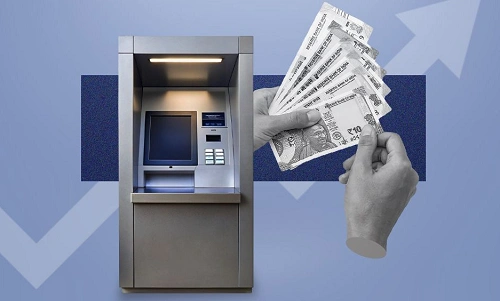
What Is an ATM?
An ATM (Automated Teller Machine) is an electronic banking machine that allows customers to perform basic banking transactions without the help of a bank employee.
Common services provided by ATMs include:
- Cash withdrawal
- Balance inquiry
- Mini statement
- Fund transfer
- PIN change
ATMs are available 24/7 and are connected to the banking network.
Advantages of ATMs
1. 24×7 Availability
The biggest advantage of ATMs is round-the-clock service.
Customers can:
- Withdraw cash anytime
- Access banking services on holidays and weekends
This provides great convenience compared to bank branches.
2. Saves Time and Effort
ATMs reduce the need to visit banks.
They:
- Eliminate long queues
- Provide quick transactions
This saves time for both customers and bank staff.
3. Wide Accessibility
ATMs are located in:
- Cities
- Towns
- Rural and semi-urban areas
This improves banking access, especially in remote locations.
4. Ease of Use
ATM operations are simple and user-friendly.
Even people with basic knowledge can:
- Withdraw cash
- Check balance
Clear instructions make usage easy.
5. Reduces Workload of Bank Branches
ATMs handle routine transactions.
This allows:
- Bank staff to focus on complex services
- Improved efficiency at branches
Overall service quality improves.
6. Multiple Banking Services
Modern ATMs offer more than cash withdrawal.
They provide:
- Balance inquiry
- Mini statements
- Fund transfer
- PIN generation
This adds flexibility for customers.
7. Cash Availability in Emergencies
ATMs are helpful during urgent situations.
People can:
- Access money immediately
- Handle medical or travel emergencies
This increases financial security.
8. Encourages Digital Banking Culture
ATMs promote self-service banking.
They:
- Reduce dependency on manual processes
- Support modernization of banking systems
This supports financial inclusion.
Disadvantages of ATMs
Despite their benefits, ATMs have drawbacks.
1. Risk of Fraud and Security Issues
ATM usage involves security risks.
Problems include:
- Card skimming
- PIN theft
- Fake ATMs
Customers must stay alert to avoid fraud.
2. Limited Cash Withdrawal Amount
ATMs usually have daily withdrawal limits.
This:
- Restricts access to large amounts
- Can be inconvenient in some situations
Customers may need to visit banks for large withdrawals.
3. Machine Breakdowns and Cash Shortage
ATMs depend on technology.
Issues like:
- Network failure
- Power cuts
- Empty cash machines
can disrupt service.
4. Transaction Charges
Banks may charge fees for ATM usage.
Charges apply when:
- Using other bank ATMs
- Exceeding free transaction limits
This increases banking cost for customers.
5. Not Suitable for All Transactions
ATMs offer limited services.
They cannot:
- Open accounts
- Resolve complaints
- Handle complex banking needs
Human assistance is still required.
6. Dependence on Card and PIN
ATM access depends on card and PIN.
If:
- Card is lost
- PIN is forgotten
customers cannot use ATM services easily.
7. Accessibility Issues for Some Users
Elderly or visually impaired users may face difficulty.
Problems include:
- Small screens
- Complex menus
Not all ATMs are fully user-friendly for everyone.
8. High Installation and Maintenance Cost
For banks, ATMs are expensive.
Costs include:
- Installation
- Security
- Maintenance and cash handling
These costs affect banking operations.
When ATMs Work Best
ATMs are most effective when:
- Security measures are strong
- Machines are well-maintained
- Users are aware of safety practices
Proper usage ensures maximum benefit.
Final Thoughts
ATMs have transformed the way people access banking services. They provide speed, convenience, and flexibility, making cash available anytime and anywhere. For customers, ATMs reduce dependency on bank branches and improve financial independence.
However, ATMs are not perfect. Security risks, technical failures, withdrawal limits, and transaction charges are real concerns. Without awareness and proper safeguards, users may face inconvenience or loss.
The true value of ATMs lies in responsible use. When combined with security awareness and regular maintenance, ATMs remain one of the most useful innovations in modern banking.