 By Lal Singh
 Your PAN (Permanent Account Number) is one of the most important identity documents in India. It is issued by the Income Tax Department and is used to track your financial activities for tax purposes. You need it for opening bank accounts, investing in mutual funds, buying property, filing taxes, and many other financial transactions.
Because PAN is linked to so many parts of your financial life, a common question worries many people today: Is it safe to give your PAN card number to others?
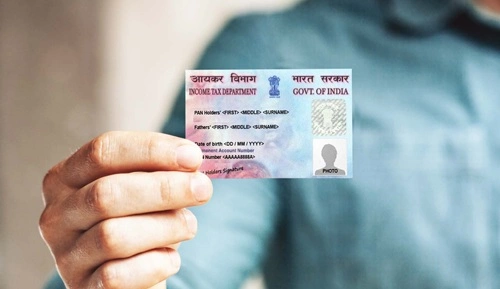
Yes, Giving your PAN card number is safe when shared with genuine, legally authorized institutions for valid purposes but it becomes risky if shared casually, publicly, or with unknown parties. The danger lies in misuse, not in the number itself.
Let’s clearly understand both sides.
Pros of Giving Your PAN Card Number (When It Is Safe)
1. Necessary for Legal and Financial Transactions
Sharing your PAN is legally required for many activities such as:
- Opening bank or demat accounts
- Mutual fund and stock investments
- KYC for insurance and loans
- High-value cash transactions
- Property purchase and sale
- Filing income tax returns
In all these cases, PAN sharing is not just safe — it is mandatory by law.
2. PAN Alone Cannot Directly Withdraw Your Money
Your PAN number:
- Cannot withdraw money from your bank
- Cannot debit your account
- Cannot authorize UPI, ATM, or card payments
It is an identity and tracking number, not a transaction tool. Without OTPs, passwords, PINs, or your physical cards, your money cannot be moved using PAN alone.
3. Used for Tax Transparency and Financial Tracking
PAN helps the government:
- Track taxable income
- Prevent tax evasion
- Monitor large financial transactions
This improves overall system security and reduces illegal financial activity. From a legal standpoint, PAN sharing with authorized entities strengthens transparency, not risk.
4. Required for Legitimate Business and Employment
Employers need PAN for:
- Salary TDS deductions
- Form 16 generation
- Tax compliance
Businesses also need customer PAN for:
- High-value billing
- Compliance with tax rules
- Loan documentation
These are completely safe and standard uses.
Cons & Risks of Giving Your PAN Card Number (Real Dangers)
1. Risk of Identity Theft
If your PAN falls into the wrong hands, criminals can:
- Open fake bank or loan accounts using forged documents
- Apply for credit cards
- Create shell financial profiles
This can damage your credit score without you knowing until problems arise.
2. PAN Can Be Misused for Fraudulent Loans
In some fraud cases, scammers use leaked PAN data along with fake documents to:
- Take personal loans
- Use “buy now, pay later” services
- Create fake borrower profiles
You may later receive recovery calls for loans you never took.
3. Can Be Used for Fake KYC and Money Laundering
Your PAN number can be misused for:
- Creating fake KYC accounts
- Routing illegal money
- Opening mule accounts
If authorities investigate such activity, you may face questioning even if you are innocent.
4. Risk Increases When PAN Image Is Shared
Sharing a photo or scanned copy of your PAN card is riskier than sharing just the number. The card image includes:
- Full name
- Date of birth
- Photograph
- Father’s name
- Signature
This complete data package is far more dangerous in the wrong hands than the number alone.
5. Data Leaks from Unsecured Websites
Entering your PAN on:
- Unknown websites
- Fake job portals
- Unverified loan and cashback apps
can result in permanent data leaks. Once leaked online, PAN data can be misused repeatedly.
When It Is Generally Safe to Give Your PAN Card
It is safe when you are sharing it with:
- Banks and NBFCs
- Mutual fund and stock brokers
- Insurance companies
- Government portals
- Employers
- Registered fintech platforms
And when:
- The website URL is genuine
- The organization is verified
- The purpose is legal and documented
- You are not pressured urgently
When You Should Be Extremely Careful
Avoid giving your PAN when:
- A stranger asks over call or WhatsApp
- A website looks poorly designed or suspicious
- You’re promised money, benefits, or “easy loans”
- Someone asks for PAN along with OTP or card details
- You’re told your account will be blocked if you don’t comply
These are classic scam warning signs.
Final Verdict
Yes, giving your PAN card number is safe and necessary for legitimate financial and tax-related purposes. The Indian financial system is designed to use PAN widely for legal compliance.
However, careless sharing of PAN can lead to serious identity and financial fraud. The number itself does not steal money, but it becomes dangerous when:
- Combined with fake documents
- Shared on unsecured platforms
- Stored by untrustworthy entities
Smart Safety Tips for PAN Card Sharing
- Share PAN only on official, secure websites
- Do not send PAN images on WhatsApp or Telegram unless unavoidable
- Mask PAN in non-essential documents (write “XXXX” in the middle digits)
- Check your credit report regularly to detect misuse early
- Never share PAN along with OTP, card, or net-banking passwords
- If PAN misuse is suspected, immediately inform your bank and file a cyber complaint
Bottom Line
Your PAN card is a powerful financial identity document. Used properly, it is safe and essential. Used casually or shared with unknown sources, it can become a gateway to serious fraud. Awareness and careful sharing are your strongest protection.