 By Lal Singh
 Yes — a Recurring Deposit (RD) is a good investment for safe and disciplined savings, but not for high returns or wealth creation. It works best for short- to medium-term goals where you want certainty and zero risk.
What is RD?
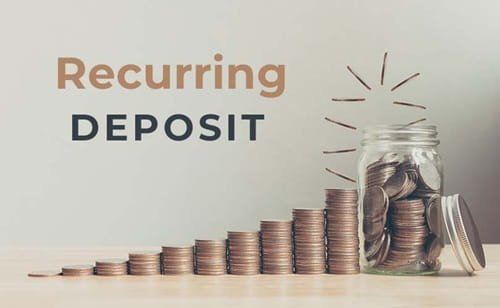
A Recurring Deposit (RD) is a savings plan offered by banks where you deposit a fixed amount every month for a fixed period.
- Tenure: 6 months to 10 years
- Interest: Fixed (similar to FD)
- Risk: Very low
It’s like building a lump sum gradually instead of investing all at once.
How Does RD Work?
- You choose a monthly amount (e.g., ₹2,000)
- Deposit it every month
- Bank gives fixed interest
- At maturity, you get total deposits + interest
It’s simple and predictable.
Why RD is Considered a Good Investment
1. Safe and Guaranteed Returns
RD is one of the safest options.
- Returns are fixed
- No market risk
- Backed by banks
2. Perfect for Regular Savers
RD is ideal for people with monthly income.
- Encourages saving habit
- No need for large initial amount
3. Easy to Start
- Can start with small amounts (₹500–₹1,000)
- Can be opened online easily
4. Fixed Returns = No Uncertainty
You know exactly how much you’ll get at the end.
This makes planning easier.
5. Suitable for Short-Term Goals
RD works well for:
- Travel plans
- Emergency fund
- Small purchases
Downsides of RD You Should Know
1. Low Returns
RD interest rates are usually:
- Around 5%–7.5%
👉 Lower than:
- SIP
- Stocks
2. Interest is Taxable
- Interest is added to your income
- Taxed as per your slab
This reduces actual returns.
3. Inflation Impact
Returns may not beat inflation.
👉 Your money grows slowly in real terms.
4. Penalty for Missing Payments
- Missing installments may attract penalties
- Can affect maturity amount
5. Limited Flexibility
You cannot easily change:
- Monthly amount
- Tenure
RD vs Other Investments
RD vs SIP
- RD → Safe, fixed returns
- SIP → Higher returns, market risk
RD vs FD
- RD → Monthly investment
- FD → Lump sum investment
Both offer similar returns.
RD vs PPF
- RD → Flexible tenure, taxable
- Public Provident Fund (PPF) → Long-term, tax-free
Who Should Invest in RD?
RD is suitable if you:
- Want safe and guaranteed returns
- Have fixed monthly savings
- Are saving for short-term goals
- Prefer zero risk
Who Should Avoid RD?
RD may not be ideal if:
- You want high returns
- You are investing for long-term wealth creation
- You can handle some risk
Best Use of RD
RD works best as:
- A savings tool
- Not a wealth-building tool
Use it for discipline, not for growth.
Smart Strategy
Instead of putting all money in RD:
- Use RD for short-term savings
- Use SIP for long-term growth
- Use PPF for tax-saving
This gives balance.
Final Verdict
RD is a good investment for safety and discipline, but not for growing wealth.
It is:
- Safe
- Simple
- Predictable
But:
- Low returns
- Taxable
 Meghna Sharma