 By Lal Singh
 Businesses often need machines, vehicles, equipment, or technology to operate and grow. Buying these assets outright can put heavy pressure on cash flow, especially for new or expanding firms. This is where lease financing becomes a popular alternative.
Lease financing allows a business to use an asset for a fixed period by paying regular lease rentals, without owning it outright. Ownership usually remains with the lessor, while the lessee gets the right to use the asset.
It is widely used for vehicles, heavy machinery, office equipment, aircraft, IT systems, and industrial plants. Like any financing method, lease financing has clear advantages and some important limitations.
Let’s look at both sides in a practical and balanced way.
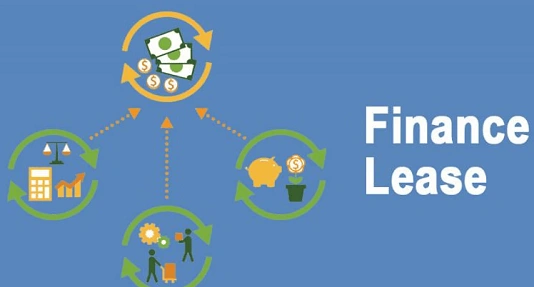
What Is Lease Financing?
Lease financing is an arrangement where:
- The owner of an asset (lessor) allows another party (lessee) to use it
- The lessee pays periodic lease rentals
- Ownership generally stays with the lessor
At the end of the lease period, the asset may be returned, renewed, or sometimes purchased, depending on the agreement.
Advantages of Lease Financing
1. No Heavy Initial Capital Requirement
One of the biggest advantages of lease financing is low upfront cost.
Businesses do not need to:
- Pay the full purchase price
- Block large amounts of capital
This helps preserve cash for working capital, marketing, or expansion.
2. Improves Cash Flow Management
Lease rentals are spread over time.
This results in:
- Predictable periodic payments
- Better budgeting
- Reduced financial strain
For growing businesses, steady cash flow is often more valuable than asset ownership.
3. Easy Access to Modern Equipment
Leasing allows businesses to use the latest technology.
This is useful when:
- Technology becomes obsolete quickly
- Regular upgrades are required
- Equipment loses value fast
Instead of owning outdated assets, firms can upgrade through new lease agreements.
4. Flexible Financing Option
Lease terms can often be tailored.
Agreements may vary in:
- Lease period
- Payment structure
- Maintenance responsibility
This flexibility makes leasing suitable for different business needs.
5. Tax Benefits
In many cases, lease rentals are treated as operating expenses.
This allows businesses to:
- Reduce taxable income
- Simplify tax planning
Tax treatment may differ based on lease type and local laws, but leasing often provides tax efficiency.
6. No Risk of Asset Obsolescence
The risk of obsolescence usually lies with the lessor.
If:
- Equipment becomes outdated
- Technology changes rapidly
the lessee is not stuck owning an obsolete asset.
7. Faster Approval Compared to Loans
Lease financing often involves simpler procedures than bank loans.
Benefits include:
- Less documentation
- Faster processing
- Easier approval for new businesses
This speeds up asset acquisition.
Disadvantages of Lease Financing
Despite its benefits, lease financing also has drawbacks.
1. No Ownership of Asset
The biggest limitation is lack of ownership.
The lessee:
- Does not build asset value
- Cannot sell or modify the asset freely
For businesses that prefer owning long-term assets, this can be a disadvantage.
2. Higher Long-Term Cost
Over time, lease rentals may exceed the cost of buying the asset outright.
This happens because:
- Interest is built into rentals
- Lessor adds profit margin
In the long run, leasing can be more expensive than purchase.
3. Fixed Payment Obligation
Lease payments must be made regardless of business performance.
Even during:
- Low sales
- Economic slowdown
- Temporary shutdowns
Payments continue, which can strain finances.
4. Restrictions on Asset Use
Lease agreements often include usage restrictions.
These may cover:
- Maximum usage limits
- Maintenance standards
- Location or transfer restrictions
Such conditions can limit operational flexibility.
5. Long-Term Commitment
Many leases are non-cancellable or expensive to exit early.
Early termination may involve:
- Penalties
- Remaining lease payments
This reduces flexibility if business needs change.
6. No Benefit from Asset Appreciation
If the asset increases in value, the lessee gains nothing.
Any appreciation:
- Belongs to the lessor
- Does not strengthen the lessee’s balance sheet
This can matter for assets with long useful life.
7. Complex Terms and Conditions
Lease agreements can be legally complex.
Poorly understood clauses may:
- Increase hidden costs
- Shift maintenance risk
- Create legal disputes
Careful review is essential before signing.
When Lease Financing Works Best
Lease financing is most effective when:
- Cash preservation is a priority
- Assets become obsolete quickly
- Technology upgrades are frequent
- Long-term ownership is not essential
It suits startups, service businesses, and fast-changing industries well.
Final Thoughts
Lease financing is a smart financial tool when used for the right reasons. It reduces upfront burden, improves cash flow, and provides access to modern assets without long-term ownership risk. For many businesses, especially those focused on growth and flexibility, leasing makes strong financial sense.
However, it is not always the cheapest option. Higher long-term costs, lack of ownership, and fixed payment obligations must be carefully evaluated. Leasing without understanding the agreement can turn convenience into constraint.
The key lies in alignment. When lease terms match business needs and cash flows, lease financing becomes a powerful enabler rather than a financial burden.