 By Lal Singh
 The jewellery business is one of the oldest and most trusted trades in the world. From gold bangles passed down generations to modern diamond designs sold online, jewellery carries emotional, cultural, and financial value. In countries like India, jewellery is not just a luxury product—it is linked to tradition, weddings, festivals, and long-term savings.
At the same time, running a jewellery business is not easy. High capital, security risks, and changing consumer tastes make it a demanding industry. Let’s look at the advantages and disadvantages of the jewellery business in a practical way.
What Is the Jewellery Business?
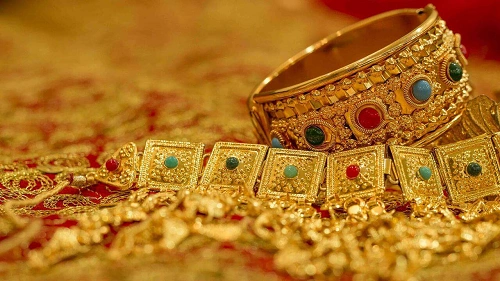
The jewellery business involves designing, manufacturing, trading, and retailing ornaments made from precious metals and stones such as gold, silver, diamonds, and gemstones.
It includes:
- Wholesale and retail jewellery stores
- Gold and silver trading
- Custom design and manufacturing
- Online jewellery platforms
The business combines craftsmanship, finance, and customer trust.
Advantages of Jewellery Business
1. High Value and Strong Demand
Jewellery always holds value.
Gold and precious stones are:
- Universally accepted
- In demand across cultures
- Considered a safe asset
Demand remains steady due to weddings, festivals, and investment buying.
2. Good Profit Margins
Jewellery offers attractive margins when managed well.
Profit comes from:
- Making charges
- Design premiums
- Brand value
- Value addition
Custom and designer jewellery often yields higher margins than plain gold ornaments.
3. Long Shelf Life
Unlike perishable goods, jewellery does not expire.
Products can:
- Be stored for long periods
- Appreciate in value over time
- Be redesigned or remade
This reduces the risk of unsold inventory becoming worthless.
4. Strong Customer Loyalty
Jewellery is a trust-based business.
Once customers trust a jeweller:
- They return for repeat purchases
- They recommend the store to family
- Long-term relationships are built
Trust becomes a powerful competitive advantage.
5. Cultural and Emotional Connection
Jewellery is deeply tied to emotions and traditions.
It plays a role in:
- Weddings and engagements
- Festivals and rituals
- Gifting and inheritance
This emotional value makes jewellery less sensitive to short-term market trends.
6. Hedge Against Inflation
Precious metals, especially gold, often act as a hedge against inflation.
As prices rise:
- Inventory value increases
- Business assets appreciate
This provides financial stability during uncertain economic periods.
7. Scope for Brand Building
Jewellery allows strong brand creation.
With the right focus on:
- Design
- Quality
- Transparency
- Customer service
A jewellery brand can grow locally, nationally, and even globally.
Disadvantages of Jewellery Business
Despite its strengths, the jewellery business has serious challenges.
1. High Capital Requirement
Starting a jewellery business requires heavy investment.
Capital is needed for:
- Gold and precious stones
- Store setup and interiors
- Security systems
This creates a high entry barrier for new entrepreneurs.
2. Price Volatility Risk
Gold and diamond prices fluctuate regularly.
Sudden price changes can:
- Affect profit margins
- Lead to inventory losses
- Create pricing confusion for customers
Poor price management can result in financial losses.
3. Security and Theft Risk
Jewellery is highly valuable and portable.
Businesses face risks of:
- Theft and burglary
- Internal fraud
- Transit losses
Security arrangements increase operating costs significantly.
4. Strict Regulatory Compliance
The jewellery business is heavily regulated.
Compliance may include:
- Tax laws and invoicing rules
- Hallmarking requirements
- Anti-money laundering norms
Failure to comply can lead to penalties and reputational damage.
5. Inventory Management Challenges
Holding jewellery inventory ties up large amounts of money.
Problems include:
- Slow-moving designs
- Changing fashion trends
- Dead stock
Poor inventory planning can block cash flow.
6. Dependence on Skilled Labor
Jewellery making depends on skilled artisans and designers.
Challenges include:
- Shortage of skilled craftsmen
- Rising labor costs
- Training and retention issues
Loss of skilled workers can affect quality and timelines.
7. Market Competition
The jewellery market is highly competitive.
Businesses compete with:
- Established local jewellers
- Large branded chains
- Online jewellery platforms
Competing on price alone is risky and unsustainable.
When the Jewellery Business Works Best
The jewellery business performs best when:
- Trust and transparency are priorities
- Inventory is carefully managed
- Pricing strategies are disciplined
- Designs align with customer preferences
Businesses that balance tradition with modern branding tend to succeed.
Final Thoughts
The jewellery business is both rewarding and demanding. It offers strong demand, emotional customer connections, and long-term value creation. For those who build trust and manage finances well, it can be a highly profitable and respected enterprise.
However, high capital needs, security risks, and price volatility make it unsuitable for casual or underprepared entrants. Success requires patience, discipline, and deep understanding of both markets and customers.
In the jewellery business, reputation is everything. When trust is earned and protected, the rewards go far beyond profits.