 By Lal Singh
 The bakery business is one of the most familiar and comforting food businesses. Bread, cakes, cookies, and pastries are part of daily life as well as celebrations. From small neighborhood bakeries to large commercial brands, baked products have steady demand across age groups and income levels.
At the same time, running a bakery is not as simple as it looks from the outside. Perishable goods, tight margins, and long working hours can make it challenging. Let’s look at the advantages and disadvantages of the bakery business.
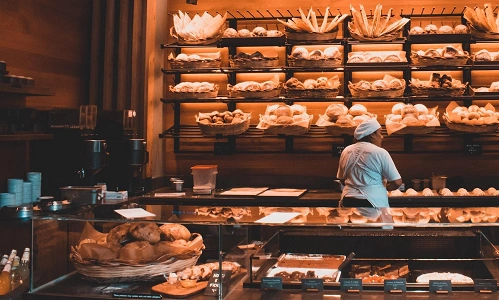
What Is the Bakery Business?
The bakery business involves producing and selling baked food items such as bread, cakes, biscuits, pastries, and snacks.
It can operate in different forms:
- Home-based or cloud bakery
- Retail bakery shop
- Wholesale or supply bakery
- Online or delivery-focused bakery
The business combines food production, creativity, and daily operations.
Advantages of Bakery Business
1. Constant and Stable Demand
Bakery products are everyday essentials.
Items like:
- Bread
- Buns
- Cookies
- Simple cakes
are consumed daily, ensuring regular demand and repeat customers.
2. Low to Medium Startup Cost
Compared to many other food businesses, a bakery can be started with moderate investment.
Small bakeries can begin with:
- Basic equipment
- Limited menu
- Small workspace
Home bakeries reduce costs even further.
3. Wide Product Range
A bakery offers flexibility in products.
You can sell:
- Daily-use items like bread
- Celebration cakes
- Custom desserts
- Seasonal or festival specials
This variety helps attract different customer segments.
4. Scope for Creativity and Branding
Baking allows creative expression.
Unique:
- Flavors
- Designs
- Presentation
can help build a strong brand identity and loyal customer base.
5. Regular Cash Flow
Bakery businesses usually operate on cash or digital payments.
This ensures:
- Daily sales
- Quick cash inflow
- Better working capital management
Regular customers support steady revenue.
6. Easy Scalability
A successful bakery can grow in many ways.
It can:
- Add new products
- Expand to multiple outlets
- Supply to cafes or retailers
- Go online through delivery apps
Growth can be gradual and controlled.
7. Local Community Connection
Bakeries often become part of the neighborhood.
Personal relationships with customers:
- Build trust
- Increase repeat business
- Create word-of-mouth marketing
This local loyalty is a strong advantage.
Disadvantages of Bakery Business
Despite its appeal, the bakery business has real challenges.
1. Perishable Nature of Products
Bakery items have short shelf life.
Unsold products:
- Go to waste
- Reduce profits
- Require daily production planning
Waste control is critical for survival.
2. High Competition
Bakeries face intense competition.
Competitors include:
- Local bakeries
- Supermarkets
- Online dessert brands
Price wars and discounting can reduce margins.
3. Long and Early Working Hours
Baking starts early.
Owners and staff often:
- Work before dawn
- Handle daily production stress
- Manage long shifts
This can lead to physical fatigue and burnout.
4. Dependence on Skilled Labor
Consistent quality depends on skilled bakers.
Challenges include:
- Finding trained staff
- Maintaining consistency
- Staff turnover
Skill gaps directly affect product quality and customer trust.
5. Thin Profit Margins
Many bakery products operate on low margins.
Rising costs of:
- Ingredients
- Electricity
- Packaging
can quickly eat into profits if pricing is not managed carefully.
6. Strict Food Safety Regulations
Bakeries must follow food safety and hygiene standards.
Compliance involves:
- Licenses and inspections
- Clean working conditions
- Quality control
Failure to comply can result in fines or closure.
7. Demand Fluctuations
While basic items sell daily, some products are seasonal.
Cakes and premium desserts:
- Peak during festivals and events
- Slow down during off-seasons
Managing inventory and staffing during low-demand periods is challenging.
When the Bakery Business Works Best
The bakery business performs best when:
- Product quality is consistent
- Waste is tightly controlled
- Menu is simple but focused
- Customer preferences are understood
Bakeries that balance creativity with discipline tend to succeed.
Final Thoughts
The bakery business offers warmth, creativity, and steady demand. It can start small, grow gradually, and build strong community connections. For people passionate about food and consistency, it can be deeply satisfying and profitable.
However, it is not an easy business. Perishable goods, long hours, and intense competition demand discipline and daily involvement. Success comes from operational control as much as from great taste.
In the bakery business, freshness is everything. Those who master quality, timing, and customer trust are the ones who last.