 By Lal Singh
Choosing between a bike and a scooter depends on how and where you travel each day. Scooters are often convenient for city traffic, short journeys and carrying small items, while bikes may suit longer rides and different road conditions.
Both have their own advantages in terms of handling, comfort and everyday use. Understanding these differences can help you choose a two-wheeler that matches your daily needs and personal riding preferences.
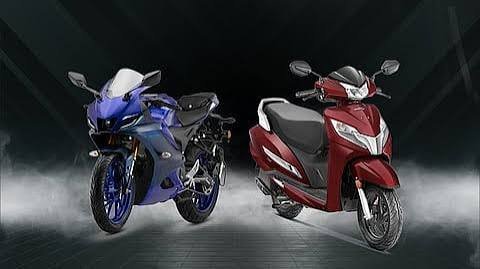
Start with Your Daily Route
Your daily travel distance, road conditions and traffic can help you decide whether a bike or scooter is more suitable for your needs.
When a Scooter Makes Sense
If most journeys involve traffic lights, narrow lanes and short stops, an automatic scooter may feel easier. You can move without changing gears or operating a clutch.
Many scooters also have a step-through design, making it convenient to get on and off during errands. That simplicity appeals to riders who want straightforward daily transport.
When a Motorcycle Makes Sense
A motorcycle may suit you if you regularly travel longer distances or prefer to control gear changes yourself. Many models have larger wheels and a riding position suited to sustained journeys. However, not every motorcycle feels alike.
A commuter model and a sports bike can have very different seating positions, so avoid judging all motorcycles by one test ride.
Compare Practical Features
Here is how common petrol scooters and geared motorcycles generally differ.
| What Matters | Scooter | Motorcycle |
| Gear changes | Usually automatic | Usually manual |
| Storage | Often under the seat | Usually needs separate luggage |
| Mounting | Step-through design | Leg over the seat |
| Riding style | Convenient for short urban trips | Many options for mixed or longer journeys |
Remember the Insurance Requirement
Both registered scooters and motorcycles used on public roads in India require valid third-party cover. Bike insurance is therefore part of ownership, whichever vehicle you choose.
Comprehensive policies can also include cover for eligible damage to your own vehicle. Review the policy terms and the cover that suits your needs.
Pay Attention to Comfort
Specifications cannot tell you whether a vehicle fits your body. Sit on both types with your feet positioned naturally, then take a proper test ride.
Check three things:
- At a stop: Can you balance the vehicle and place your feet comfortably?
- While turning: Does the handlebar feel manageable at slow speeds?
- With a passenger: Is there enough room for both riders to sit securely?
Remember that seat height, vehicle weight and suspension matter on uneven roads. The right fit is personal.
Think About Your Everyday Routine
A scooter’s storage compartment can be useful for carrying small personal items. A motorcycle may need a fitted luggage box or bag. Think about where you park, whether other family members will use the vehicle and how easily you can move it in a tight space.
Fuel efficiency and servicing also matter. Compare actual models rather than assuming that one type always uses less fuel or needs less maintenance.
What if You Buy a Used Scooter?
For a used model, look beyond the paintwork. Check its service records, tyres, brakes and ownership documents. Ask the seller about previous repairs and inspect the scooter with a qualified mechanic.
Before renewing Activa 3G insurance, for example, confirm that the registration and policy details match the scooter you are purchasing. Transfer requirements and cover options depend on the vehicle and insurer.
Final Thoughts
Choose the vehicle you can ride comfortably in the conditions you face most often. A scooter may be practical for frequent city errands; a motorcycle may suit someone who enjoys longer journeys. Test both, compare specific models and decide based on regular use rather than assumptions.