 By Lal Singh
 Burger Singh is one of India’s largest home-grown burger chains. Its Indian-style burgers, affordable pricing and delivery-focused model have helped it build more than 200 outlets. The company now invites entrepreneurs to join as operator partners.
This is not a passive investment. Burger Singh expects the partner to find a suitable shop, manage the team and remain personally involved in the restaurant’s performance.
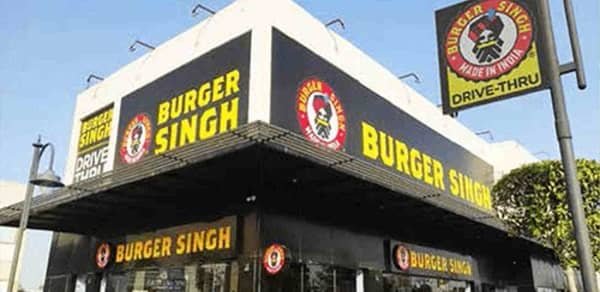
Is a Burger Singh Franchise Available in India?
Yes, Burger Singh officially offers franchise opportunities in India. Applications are accepted through the franchise section of its website. The company describes selection as competitive and says that only limited slots are available.
Submitting the form does not guarantee approval. Financial readiness, leadership, local market knowledge and willingness to work on the ground are considered. Burger Singh does not automatically provide city-level or area-level exclusivity.
Burger Singh Franchise Cost in India
Burger Singh’s current official franchise page states that its model starts from ₹30 lakh onwards. GST is additional and varies across civil work, equipment and services. Final cost will depend on the city, property, approved layout and rental terms.
The investment may include:
- Franchise or operator-partner charges
- Property deposit and advance rent
- Civil work, interiors and furniture
- Kitchen and refrigeration equipment
- Branding, signage and technology systems
- Licences, staffing, inventory and working capital
Burger Singh requires core setup work to be completed by approved vendors. Applicants should ask for a written cost sheet showing what is included and what must be paid separately.
Franchise Fee, Royalty and Other Charges
The current franchise page does not separately publish one franchise-fee or royalty figure for the ₹30 lakh model. Older company documents and third-party listings show different charges for different formats, so they should not be treated as current terms.
The agreement should clearly state the franchise fee, royalty, administration fee, technology cost, marketing contribution, security deposit, renewal expenses and applicable GST.
Location and Outlet Requirements
The operator partner must scout and finalise the shop, while Burger Singh provides guidance and final approval. The official criteria mention a minimum outlet area of about 225 square feet and roughly 125 square feet for the kitchen. The preferred upper limit for the main outlet is around 400 square feet.
A suitable location should preferably have:
- Ground-floor access from the main street
- At least 12 feet of frontage
- Visibility from about 30 to 50 metres
- Strong neighbourhood or market footfall
- Rent within the city-specific limit
- Separate storage and at least 28 kW electrical load
Standalone high-footfall shops are preferred. The current operator-partner FAQ says mall and food-court locations may be rejected. Do not sign a long lease until the site is approved in writing.
Eligibility for a Burger Singh Franchise
Previous restaurant experience is not compulsory, but passion for the food business and strong personal financial readiness are essential. Burger Singh also indicates that the opportunity is not intended for someone who plans to depend mainly on a loan.
A suitable applicant should ideally have:
- At least ₹30 lakh or more in investment capacity
- A sound and verifiable financial record
- Ability to find and negotiate a commercial shop
- Leadership and employee-management skills
- Clean legal and taxation records
- Time for active, on-ground involvement
The partner cannot simply appoint a manager and remain absent. Burger Singh requires at least 90 hours of personal presence each month. A family member can operate the outlet only as a co-investor after completing the interview and training.
Documents That May Be Required
Applicants should keep Aadhaar, PAN, address proof, photographs, bank statements, income-tax returns, proof of funds, GST details and business-registration papers ready.
Property records may include ownership papers or a lease proposal, landlord permission, shop photographs, measurements, floor plans and electrical-load details. FSSAI registration, a trade licence, Shops and Establishments registration and fire approvals may also be required.
Training and Support Provided
Burger Singh provides onboarding in restaurant operations, POS systems, hygiene and soft skills. A typical store may need four to five employees. Setup normally takes around 45 to 60 days after the property is finalised.
Support includes a dedicated franchise success manager, monthly profit-and-loss reviews, audits, staff training, central supply-chain support and technology integration. The brand centrally manages Zomato, Swiggy, Google and social-media activities.
Profit and Expected Return
Burger Singh’s official FAQ says monthly net income may typically range from ₹1 lakh to ₹1.5 lakh, depending on location, offline sales and operating efficiency. It mentions a possible payback period of around 24 to 30 months.
These are projections, not guaranteed returns. Applicants should review an outlet-specific profit-and-loss statement and prepare conservative calculations covering rent, salaries, food cost, utilities and marketing.
How to Apply for a Burger Singh Franchise
Visit Burger Singh’s official website and open the Franchise section. Submit accurate contact, investment and location details. Shortlisted candidates may be interviewed on leadership, local business understanding, execution ability and profit-and-loss ownership.
If an application is rejected, the official FAQ says reapplication may be possible after three months, subject to a fresh evaluation.
Beware of Fake Burger Singh Franchise Offers
Use only Burger Singh’s official website and verified company communication. The legal entity shown on the website is Tipping Mr Pink Private Limited, and the official contact email listed is listen@burgersinghonline.com.
Do not trust an agent only because a message carries the brand logo. Never transfer money to a personal account or share OTPs, passwords and sensitive financial documents with an unverified person. Confirm the beneficiary, property approval, cost sheet and signed agreement directly with the company.
Final Word
A Burger Singh franchise currently starts from approximately ₹30 lakh plus applicable GST. It requires a suitable standalone shop, financial strength and active involvement from the operator partner.
The brand provides training, supply-chain assistance and continuing operational support, but projected income and payback are not assured. Secure written site approval and complete commercial terms before paying or starting setup.
 Meghna Sharma