 By Lal Singh
 Prices of agricultural products and essential commodities often fluctuate due to factors like seasonal production, weather conditions, and changes in demand. These fluctuations can harm both producers and consumers. To reduce such instability, governments use a policy known as buffer stock.
Buffer stock is an important economic tool, especially in developing countries. It helps stabilize prices, protect farmers, and ensure food security. At the same time, maintaining buffer stock involves high costs and management challenges. To understand it properly, let’s examine its advantages and disadvantages in detail.
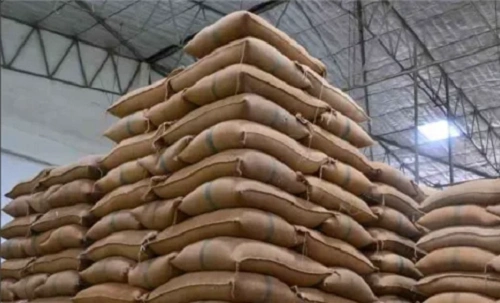
What Is Buffer Stock?
Buffer stock refers to the reserve of essential commodities—mainly food grains—maintained by the government. These stocks are bought and stored during periods of surplus production and released during periods of shortage.
The main objectives are:
- Stabilizing prices
- Protecting farmers from price crashes
- Ensuring availability during shortages
Buffer stock is commonly used for commodities like wheat, rice, and pulses.
Advantages of Buffer Stock
1. Price Stabilization
The biggest advantage of buffer stock is price stability.
- During surplus production, the government buys excess supply to prevent prices from falling too low.
- During shortage, stocks are released to prevent prices from rising sharply.
This balances supply and demand.
2. Protection to Farmers
Buffer stock protects farmers from distress sales.
When market prices fall:
- Government procurement ensures minimum price
- Farmers get assured income
This encourages agricultural production.
3. Ensures Food Security
Buffer stock plays a crucial role in food security.
It:
- Ensures availability of food during shortages
- Supports public distribution systems
- Helps in emergencies like droughts or floods
This protects vulnerable sections of society.
4. Controls Inflation
Releasing buffer stock during shortages helps control inflation.
It:
- Prevents sudden price hikes
- Reduces hoarding and black marketing
This stabilizes the economy.
5. Helps in Crisis Management
Buffer stock is useful during emergencies.
It supports:
- Natural disaster relief
- War or supply disruptions
- Economic crises
Availability of reserves provides confidence.
6. Supports Planned Economic Development
Stable prices support economic planning.
Industries and consumers:
- Face less uncertainty
- Can plan consumption and investment better
This supports overall economic stability.
7. Encourages Agricultural Growth
Assured procurement motivates farmers.
They:
- Invest more in production
- Adopt better farming practices
This improves agricultural output.
Disadvantages of Buffer Stock
Despite its benefits, buffer stock has drawbacks.
1. High Cost of Storage
Maintaining buffer stock is expensive.
Costs include:
- Storage infrastructure
- Transportation
- Handling and preservation
These costs burden the government.
2. Risk of Wastage and Spoilage
Poor storage facilities can lead to losses.
Food grains may:
- Rot or spoil
- Be damaged by pests
This reduces effectiveness.
3. Administrative and Management Problems
Managing buffer stock is complex.
Issues include:
- Inefficiency
- Corruption
- Leakages
Poor management weakens the system.
4. Distortion of Market Mechanism
Government intervention can distort market signals.
This may:
- Discourage private traders
- Reduce market efficiency
Free market functioning is affected.
5. Financial Burden on Government
Large-scale procurement requires huge funds.
This:
- Increases fiscal burden
- Adds pressure on public finances
Long-term sustainability becomes a concern.
6. Limited Coverage
Buffer stock usually covers selected commodities.
It:
- Does not include all essential goods
- Leaves many products unprotected
This limits overall impact.
7. Risk of Hoarding by Government
Excessive accumulation may:
- Reduce market supply
- Create artificial scarcity
Timely release is essential.
When Buffer Stock Works Best
Buffer stock is most effective when:
- Storage and logistics are efficient
- Procurement and release are timely
- Corruption is controlled
- Used selectively, not excessively
Strong governance is crucial.
Final Thoughts
Buffer stock is a vital tool for price stabilization and food security. It protects farmers, controls inflation, and ensures availability during shortages. In countries dependent on agriculture, buffer stock plays a key role in economic and social stability.
However, buffer stock is not a perfect solution. High costs, wastage, and administrative challenges can reduce its effectiveness. Poor management can even worsen market conditions instead of improving them.
The real success of buffer stock lies in balance. When used carefully, transparently, and efficiently, it becomes a powerful support system for both producers and consumers.