 By Lal Singh
 Agriculture today is no longer limited to small family farms growing crops for local markets. It has evolved into a large, organized, and technology-driven sector known as agribusiness. This term covers everything connected to agriculture as a business input suppliers, farming operations, processing units, storage, transportation, and marketing.
From seed companies and fertilizer producers to food-processing giants and export houses, agribusiness plays a central role in feeding populations and supporting economies. But like any large-scale system, it comes with both strengths and weaknesses.
Let’s look at the advantages and disadvantages of agribusiness.
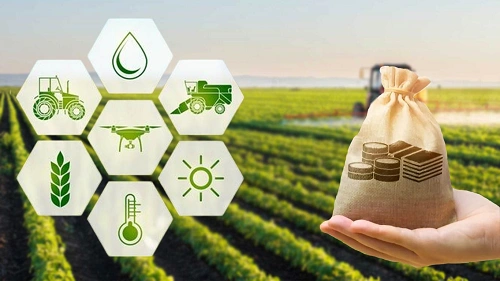
What Is Agribusiness?
Agribusiness refers to the commercial production, processing, and distribution of agricultural products. It includes:
- Input industries (seeds, fertilizers, machinery)
- Farming and livestock operations
- Food processing and packaging
- Storage, logistics, and distribution
- Marketing and export of farm products
The focus is on efficiency, scale, profit, and market demand rather than subsistence farming.
Advantages of Agribusiness
1. Higher Productivity and Efficiency
One of the biggest advantages of agribusiness is increased productivity.
Large-scale operations use:
- Modern machinery
- Improved seed varieties
- Scientific farming methods
- Advanced irrigation systems
This leads to higher yields per acre and more consistent production compared to traditional farming.
2. Better Use of Technology
Agribusiness encourages the adoption of technology across the value chain.
Examples include:
- Precision farming using data and sensors
- Mechanized harvesting
- Cold storage and controlled logistics
- Digital marketplaces and supply tracking
Technology reduces waste, saves time, and improves overall efficiency.
3. Strong Market Linkages
Agribusiness connects farmers directly with markets.
Instead of relying on local traders, producers gain access to:
- National and international markets
- Food processors and retailers
- Export opportunities
This improves price realization and reduces dependence on middlemen in well-structured systems.
4. Employment Generation
Agribusiness creates jobs far beyond farming.
It generates employment in:
- Input manufacturing
- Processing plants
- Warehousing and logistics
- Quality control and packaging
- Marketing and sales
This helps absorb rural and semi-urban labor and supports economic development.
5. Value Addition to Agricultural Produce
Processing raw farm produce into finished or semi-finished goods increases value.
For example:
- Milk into cheese or butter
- Wheat into flour and packaged foods
- Fruits into juices or jams
Value addition boosts profits, reduces spoilage, and creates branded products with longer shelf life.
6. Stable Supply of Food Products
Large agribusiness systems help maintain a steady supply of food throughout the year.
With proper storage, processing, and distribution, seasonal shortages are reduced. This stability supports food security, especially in urban areas.
7. Encourages Investment and Growth
Agribusiness attracts both domestic and foreign investment.
Capital flows into:
- Infrastructure
- Research and development
- Cold chains and storage
- Export-oriented units
This investment helps modernize agriculture and integrate it into the broader economy.
Disadvantages of Agribusiness
Despite its benefits, agribusiness also raises serious concerns.
1. Marginalization of Small Farmers
One major drawback is the disadvantage faced by small and marginal farmers.
Large agribusiness firms often have:
- Better access to capital
- Strong bargaining power
- Control over pricing and contracts
Small farmers may struggle to compete or may become dependent on corporations for inputs and markets.
2. Environmental Impact
Intensive agribusiness practices can harm the environment.
Common issues include:
- Overuse of chemical fertilizers and pesticides
- Soil degradation
- Water depletion
- Loss of biodiversity
Short-term profit-driven farming can lead to long-term ecological damage if not regulated properly.
3. Price Volatility and Market Risks
Agribusiness is closely linked to global markets.
This exposes farmers and producers to:
- Price fluctuations
- Changes in international demand
- Trade restrictions and policy shifts
A sudden fall in prices can severely affect incomes, especially for producers tied to contract farming.
4. Dependence on Corporations
In many cases, agribusiness increases farmers’ dependence on large companies.
Farmers may rely on:
- Company-provided seeds and inputs
- Fixed-price contracts
- Corporate-controlled supply chains
This can reduce farmers’ independence and bargaining power over time.
5. Unequal Distribution of Profits
While agribusiness increases overall profits in the sector, benefits are not always evenly shared.
Often:
- Corporations earn higher margins
- Farmers receive a smaller share of final consumer prices
- Middle layers capture significant value
This imbalance can widen income inequality within rural areas.
6. High Entry Barriers
Agribusiness requires significant capital investment.
Costs include:
- Machinery and equipment
- Technology and infrastructure
- Compliance with quality and safety standards
These high entry barriers make it difficult for new or small players to enter the sector independently.
7. Focus on Profit Over Nutrition
Large agribusiness firms often prioritize crops with high commercial value.
This can lead to:
- Reduced crop diversity
- Emphasis on cash crops over food crops
- Neglect of local and traditional varieties
In some cases, this affects nutritional diversity and local food systems.
When Agribusiness Works Best
Agribusiness is most effective when:
- Strong regulations protect farmers and the environment
- Fair contracts and transparent pricing exist
- Technology is accessible to small producers
- Sustainability is prioritized alongside profit
Countries with good infrastructure, clear policies, and farmer support systems tend to benefit the most.
Final Thoughts
Agribusiness has transformed agriculture into a powerful economic engine. It improves productivity, connects farms to markets, creates jobs, and supports food security on a large scale. For growing populations and modern economies, it plays an essential role.
At the same time, it brings real challenges—especially for small farmers, the environment, and rural equality. Without careful regulation and inclusive policies, the system can favor corporations over communities.
The future of agribusiness lies in balance. When efficiency is combined with fairness, sustainability, and farmer empowerment, agribusiness can be both profitable and responsible. When profit alone drives decisions, its disadvantages quickly come to the surface.