 By Lal Singh
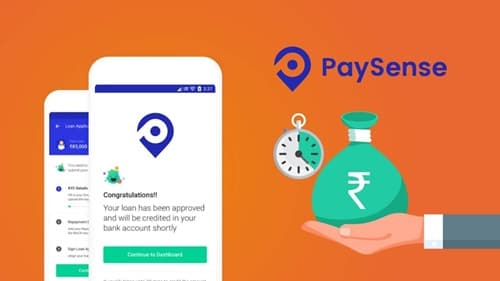
 PaySense is a digital lending platform/app that offers personal loans and credit-line services, typically from small to mid-size, to salaried individuals or self-employed people in India. It is a legitimate and regulated platform but like any loan-service app, safety and value depend heavily on how you use it and on careful reading of its terms.
Let’s walk through the strengths and the risks.
What Works for PaySense (Strengths & Pros)
1. Operates via RBI-registered NBFC/Partners — Not a Grey-Market App
PaySense partners with entities that are registered under the Reserve Bank of India (RBI) and follow regulated financial-services protocols. That means the loans you take via PaySense are subject to formal banking/financial-regulatory oversight — offering a baseline of legal safety and compliance.
In short: you are borrowing from a legitimate, regulated lender — not from a shady “instant-loan” scheme.
2. Fully Digital Process — Simple Application, KYC, Disbursal
PaySense offers a mostly digital experience:
- Upload KYC and required documents online
- No collateral required for many loans (unsecured personal loan model)
- Quick application approval (often within hours/days) and disbursal into bank account once approved
For users needing fast funds — medical emergencies, repair, small urgent needs — this convenience can be significant.
3. Transparent Disclosure of Charges and Terms (If Read Carefully)
On its website and loan-offer documents, PaySense declares: interest rates (varied by credit profile), processing fees, repayment tenure options, EMI amounts, and penalty/foreclosure charges. For borrowers who read and understand the loan agreement — including all fees and charges — this transparency helps avoid nasty surprises.
4. Access to Credit Even for Those with Limited Credit History
Because PaySense follows digital-KYC and internal evaluation (bank statements, income proof), it can offer loans even if your formal credit history or past borrowing record is weak or nascent. This makes it useful for young professionals, freelancers, or first-time borrowers who might otherwise struggle to get traditional bank loans.
5. Useful for Short-term or Emergency Borrowing Needs
Given its ease and speed, PaySense can serve as a quick support when unexpected expenses come up (medical, family, repairs, urgent travel). For small- to mid-size amounts with planned repayment, it can fill a gap in the credit-market.
For occasional use, with careful financial planning, PaySense can be a practical option.
What Could Go Wrong — Risks & Limitations with PaySense
1. Higher Interest Rates and Fees Compared to Traditional Bank Loans
Because of the ease and unsecured-loan model, interest rates and processing/penalty charges tend to be higher than bank-based personal loans. Actual interest depends heavily on credit profile.For some users — especially if repayment is delayed — this can make the loan considerably expensive. What seems like a small short-term loan can turn into a heavy debt burden if not managed carefully.
2. Mixed Customer Experiences — Complaints Over Service, Disbursal Delay or Transparency
In public reviews and feedback forums, there are multiple complaints: delayed disbursal after approval, poor customer-service responsiveness, unexpected deductions, or perceived sub-par communication. Some borrowers claim that charges or processing fees were different than initially promised. Others express dissatisfaction with follow-up or support if any issue arises. This suggests that while the platform is regulated, execution quality may vary — so borrowers must stay alert and keep documentation.
3. Risk of Over-Borrowing and Debt Cycle if Misused
Because it is easy to apply and get small loans without collateral, there is a danger of treating PaySense as a “cash-backup habit.” Repeated borrowing — especially without stable income or clear repayment plan — can quickly lead to unmanageable debt load.
Financial-psychology experts often warn: easy credit = temptation to overspend. With higher interest rates, missed EMIs, or multiple loans overlapping — consequences can accumulate.
4. Not Ideal for Long-Term, Large or Business Loans
PaySense works best for short-term, small to moderate needs. For large expenses — home renovation, business investment, long-term planning — bank loans, home/auto-loan routes, or secured credit sources tend to have significantly better interest/tenure options.
Relying on PaySense for long-term commitments can be risky — due to interest cost, lack of flexibility, and shorter repayment tenures.
5. Data Privacy and Dependence on Digital Infrastructure
To use PaySense you provide personal data, KYC docs, banking info. While PaySense claims to encrypt data and follow privacy standards. Still — any digital platform carries some risk: data leaks, phishing attempts, misuse of personal data, or unauthorized contact by agents. If a user is careless — shares OTP, credentials, or falls for impersonation calls — risk rises.
Also, customer support and communication issues (as per some reviews) suggest that problem-resolution might not always be smooth.
When PaySense Makes Sense — What Kind of Borrower It Works For
PaySense can be a reasonable choice if you:
- Need short-term funds for an emergency or planned small-to-mid expense
- Have steady income and repayment capacity
- Borrow only what is necessary, not as a regular habit
- Read all loan documents carefully — understand interest, fees, schedule
- Plan to repay on time — no reliance on uncertain future earnings
For such borrowers, PaySense can be a helpful, convenient way to access credit without heavy paperwork or collateral.
Who Should Be Cautious or Prefer Alternatives
You should be cautious (or prefer alternate credit sources) if you:
- Have unstable or unpredictable income
- Tend to overspend or lack budgeting discipline
- Need large or long-term loans (home, business, large equipment, etc.)
- Are sensitive to high interest or repeated debt cycles
- Are uncomfortable with digital-only loan apps and paperwork
In these cases, traditional bank loans, secured loans, or long-term structured financing would likely be safer and more sustainable.
Final Verdict
PaySense stands out among many loan-app platforms because it is backed by regulated lenders/NBFCs, offers transparent loan-disclosure (if you read carefully), and provides a fast, paper-less borrowing process. For small or unplanned needs, it can be a practical option.
But it is not a magic credit solution. The downside is the higher interest rates, sometimes inconsistent user experience, frequent temptation to borrow casually, and risk of debt accumulation if misused.