 By Lal Singh
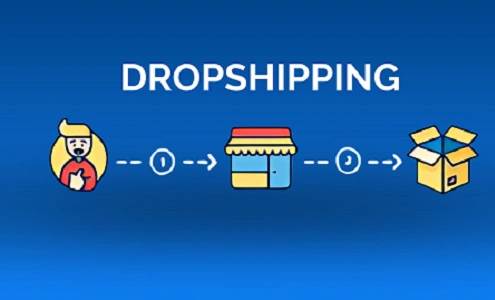
 “Dropshipping” is an e-commerce business system where a seller sell the products online without having actual stock in his store. When a customer places any order, the seller buys that particular item from the third-party service provider and gets it sent straight to the buyer. This strategy is very popular in India because it doesn’t cost too much to the start up, it’s very easy to find foreign suppliers and online shopping sites are growing quickly for this Drop-shipping Business.
Is it legal to Dropship in India?
Yes, it is legal to dropship in India. In India, there is no law that says Dropshipping is an illegal business activity, so its completely permitted in India. But the reliability of the business is completely depends on how it is set up and if it complies with the Indian laws, GST Tax Rules and rules that protect the consumers.
Getting a Business License & Registration:
It is legal to dropship but you have to register your business properly, if you don’t register your business in a systematic way then you could be in trouble with the law.
Depending on the size of the company and their business goals for the future, Indian Dropshippers should register their business as a sole proprietorship, partnership, LLP or private limited company registration. When you sell on sites like FlipKart, Amazon or Meesho you will have to register your business and submit your GST information.
Tax & GST Compliance:
One of the most essential legal things to remember when you are going to do Dropshipping business in India is to follow the GST guidelines. You have to register for GST if you sell goods within India even if your supplier is in another country. You have to charge the GST on those products that are taxable, give them the correct invoices and file GST returns on time. Indian law clarifies that any money comes from Dropshipping Business is equally liable to income tax.
Customs Duties and Import Rules:
Maximum of Indian Dropshippers imports their goods from foreign countries like the US and China. Customs duties and import rules apply in such circumstances. Dropshippers have to pay the customs duty, even though the exporters or the sellers usually handles the shipment. Its technically a good idea to mention this clearly in your website’s shipping policy to avoid any type of problems.
Consumer Protection & Product Liability:
Indian consumer protection law clearly clarify that the seller is always held liable for the quality of the product, refunds and handling disputes even if the product sent by the third-party supplier. Selling duplicate or fake goods, providing misleading product descriptions or breaking the return policy might get you in to trouble. So, it’s important to select a trustworthy supplier and be clear about everything.
Payment Gateways & Transactions with other Countries:
You can legally get paid through Indian or foreign payment gateways as long as you follow the RBI and FEMA rules & regulations. To avoid any kind of problems with the law, you have to use the right paperwork and payment methods when working with international customers or suppliers.
Conclusion:
Dropshipping is completely legal and it’s a good way to start an online business with low investment. But just because something is legal doesn’t mean that you don’t have to follow the govt. rules & Regulation. For long-term success, businesses need to be register properly and follow the GST rules, then business have to file their GST taxes on time and protect their customers from any kind of fraud. Dropshipping is a Good Business for those Entrepreneurs who want to get quick money. They have to do business safely, legally and efficiently in India.