 By Lal Singh
 The restaurant business is one of the most popular entrepreneurial choices across the world. Food is a daily necessity, and eating out has become a lifestyle habit rather than an occasional luxury. From small cafés and street-food outlets to fine-dining restaurants and cloud kitchens, the industry offers many formats to choose from.
At the same time, restaurants are known for high failure rates. Long hours, thin margins, and constant pressure make this a demanding business. Understanding both the advantages and disadvantages is essential before stepping in.
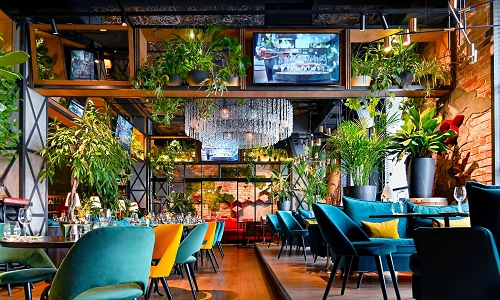
What Is the Restaurant Business?
The restaurant business involves preparing and serving food and beverages to customers for immediate consumption. It may include:
- Dine-in restaurants
- Takeaway and quick-service outlets
- Cafés and bakeries
- Cloud kitchens and delivery-only models
The business combines food production, service quality, location strategy, and customer experience.
Advantages of Restaurant Business
1. Constant Demand
Food is a basic human need.
People eat out for:
- Convenience
- Social gatherings
- Work and travel
- Taste and experience
This creates steady demand throughout the year.
2. Wide Range of Business Models
Restaurants offer flexibility in format.
You can operate as:
- Small local eatery
- Fast-food outlet
- Theme-based restaurant
- Cloud kitchen
This allows entrepreneurs to start according to budget and market demand.
3. Daily Cash Flow
Most restaurant transactions are immediate.
Benefits include:
- Regular daily income
- Fast cash or digital payments
- Better working capital rotation
This helps manage short-term expenses smoothly.
4. Creative Freedom
The restaurant business allows creativity.
Owners can experiment with:
- Menus and cuisines
- Presentation and ambience
- Branding and themes
Creativity helps differentiate from competitors.
5. High Growth Potential
A successful restaurant can scale quickly.
Growth options include:
- Opening multiple outlets
- Franchising the brand
- Expanding into delivery and catering
Strong concepts grow beyond single locations.
6. Strong Emotional and Social Connection
Food creates emotional bonds.
Restaurants become:
- Social meeting points
- Celebration venues
- Habitual choices for customers
This builds loyalty and repeat visits.
7. Opportunity for Brand Building
Restaurants can develop powerful brands.
With consistency in:
- Taste
- Service
- Experience
a local restaurant can become a recognized name.
Disadvantages of Restaurant Business
Despite its appeal, the restaurant business has serious challenges.
1. High Failure Rate
Many restaurants close within the first few years.
Common reasons include:
- Poor cost control
- Wrong location
- Weak management
Success is not guaranteed.
2. Thin Profit Margins
Margins in restaurants are often low.
Rising costs of:
- Raw materials
- Staff
- Rent and utilities
can quickly reduce profits.
3. Long and Irregular Working Hours
Restaurants demand constant involvement.
Owners often:
- Work late nights
- Handle weekends and holidays
- Manage daily operational stress
Work-life balance can be difficult.
4. Perishable Inventory
Food items spoil quickly.
Poor planning leads to:
- Wastage
- Higher costs
- Loss of profit
Inventory control is critical.
5. Dependence on Skilled Staff
Service quality depends on people.
Challenges include:
- Staff shortages
- High employee turnover
- Training costs
Inconsistent staff affects customer experience.
6. Strong Competition
Restaurants face intense competition.
Customers have:
- Many alternatives
- Low switching cost
- High expectations
Standing out requires constant effort.
7. Regulatory and Compliance Pressure
Restaurants must follow strict rules.
These include:
- Food safety standards
- Licensing and permits
- Health and hygiene regulations
Non-compliance can result in fines or closure.
When the Restaurant Business Works Best
The restaurant business performs best when:
- Location matches target customers
- Menu is focused and consistent
- Costs are tightly controlled
- Customer experience is prioritized
Simple concepts executed well often outperform complex ones.
Final Thoughts
The restaurant business can be exciting, creative, and rewarding. It offers daily demand, opportunities for branding, and strong customer connections. For those passionate about food and service, it can be deeply satisfying.
However, it is not an easy or passive business. Thin margins, long hours, and constant competition make it demanding. Many failures happen due to underestimating operational complexity rather than lack of demand.
Success in the restaurant business comes from discipline, consistency, and attention to detail. When passion is backed by planning and control, a restaurant can grow into a sustainable and respected enterprise.