 By Lal Singh
 Manufacturing is the backbone of industrial growth. From everyday household items to heavy machinery and advanced electronics, manufacturing turns raw materials into finished goods that drive economies forward. Countries with strong manufacturing sectors often enjoy higher employment, better exports, and long-term economic stability.
At the same time, manufacturing is capital-intensive, complex, and sensitive to market and regulatory changes. Starting and sustaining a manufacturing business requires careful planning and discipline. Let’s look at the advantages and disadvantages of Manufacturing Business.
What Is a Manufacturing Business?
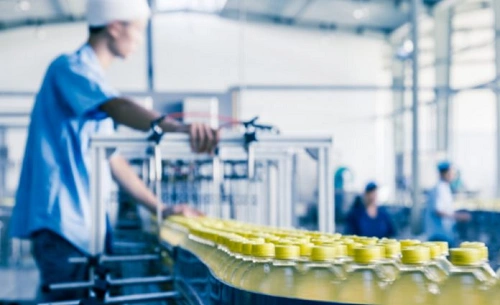
A manufacturing business involves converting raw materials or components into finished or semi-finished products using labor, machines, and technology.
Examples include:
- Food processing units
- Textile and garment factories
- Automobile and electronics manufacturing
- Chemical and pharmaceutical plants
Manufacturing can be small-scale, medium-scale, or large-scale depending on investment and output.
Advantages of Manufacturing Business
1. High Value Creation
Manufacturing adds value to raw materials.
By processing inputs into finished goods:
- Product value increases
- Profit potential improves
- Economic contribution rises
This value addition is a major strength of manufacturing businesses.
2. Employment Generation
Manufacturing creates large-scale employment.
It provides jobs for:
- Skilled workers
- Semi-skilled labor
- Engineers and technicians
- Support and logistics staff
This supports income generation and social stability.
3. Scalability and Growth Potential
Once systems are in place, manufacturing can scale.
Businesses can:
- Increase production volume
- Introduce new product lines
- Expand into new markets
Higher scale often leads to lower per-unit costs.
4. Strong Export Opportunities
Manufactured goods are widely traded globally.
Manufacturers can:
- Access international markets
- Earn foreign exchange
- Reduce dependence on local demand
Exports also strengthen brand and competitiveness.
5. Better Control Over Quality
Manufacturing allows direct control over production processes.
This helps in:
- Maintaining consistent quality
- Meeting industry standards
- Building brand reputation
Quality control is easier when production is in-house.
6. Technological Advancement
Manufacturing encourages innovation and technology adoption.
Use of:
- Automation
- Robotics
- Advanced machinery
improves productivity and efficiency over time.
7. Long-Term Business Stability
Well-established manufacturing businesses tend to be stable.
Once brands, processes, and supply chains mature:
- Customer loyalty increases
- Revenue becomes predictable
- Long-term contracts become possible
This supports sustainable growth.
Disadvantages of Manufacturing Business
Despite its strengths, manufacturing also faces serious challenges.
1. High Initial Capital Requirement
Manufacturing requires heavy investment.
Costs include:
- Land and buildings
- Machinery and equipment
- Utilities and infrastructure
This creates a high entry barrier for new entrepreneurs.
2. Complex Operations and Management
Manufacturing operations are complex.
They involve:
- Supply chain coordination
- Inventory management
- Production planning
- Quality assurance
Poor management can quickly lead to losses.
3. High Fixed Costs
Manufacturing has significant fixed expenses.
These include:
- Salaries
- Power and maintenance
- Depreciation
Even during low demand, these costs continue.
4. Regulatory and Compliance Burden
Manufacturers face strict regulations.
Compliance may include:
- Labor laws
- Environmental norms
- Safety standards
- Licensing and inspections
Non-compliance can lead to penalties or shutdowns.
5. Market Demand Risk
Manufacturing depends heavily on market demand.
Sudden changes can lead to:
- Excess inventory
- Idle capacity
- Price pressure
Demand forecasting errors are costly.
6. Technological Obsolescence
Machinery and processes can become outdated.
Rapid technological change means:
- Frequent upgrades
- High replacement costs
- Risk of inefficiency
Outdated plants struggle to compete.
7. Environmental Impact
Manufacturing can harm the environment.
Common issues include:
- Pollution
- Waste generation
- High energy consumption
Meeting sustainability standards adds to operational costs.
When Manufacturing Business Works Best
Manufacturing performs best when:
- Demand is stable and predictable
- Processes are efficient
- Quality is consistent
- Compliance is well managed
Businesses with strong planning and control systems tend to succeed.
Final Thoughts
The manufacturing business plays a vital role in economic development and value creation. It offers scalability, employment, export potential, and long-term stability. For entrepreneurs with patience and resources, it can be highly rewarding.
However, manufacturing is not a shortcut to quick profits. High capital needs, operational complexity, and regulatory pressure make it a demanding venture. Mistakes can be expensive and difficult to reverse.
Success in manufacturing comes from discipline, process control, and long-term thinking. When these elements are in place, manufacturing businesses can become powerful engines of growth and resilience.