 By Lal Singh
 Moving goods from one country to another is not as simple as booking transport. It involves documentation, customs clearance, multiple modes of transport, regulations, and coordination across borders. This is where freight forwarding becomes important.
Freight forwarding acts as a bridge between shippers and carriers. A freight forwarder does not usually move goods themselves. Instead, they organize, coordinate, and manage the entire logistics process on behalf of the exporter or importer. While freight forwarding simplifies global trade, it also comes with certain limitations.
To understand its real value, let’s examine the advantages and disadvantages of freight forwarding.
What Is Freight Forwarding?
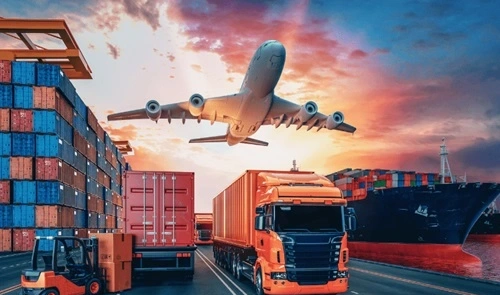
Freight forwarding is a logistics service that manages the transportation of goods from one location to another, especially in international trade.
A freight forwarder typically handles:
- Transport planning (air, sea, road, rail)
- Customs documentation and clearance
- Warehousing and consolidation
- Insurance and cargo handling
- Coordination with carriers and agents
The main goal is to ensure goods reach their destination safely, legally, and efficiently.
Advantages of Freight Forwarding
1. Expert Knowledge of International Trade
One of the biggest advantages of freight forwarding is expertise.
Freight forwarders understand:
- Customs laws and regulations
- Documentation requirements
- International shipping procedures
This reduces the risk of delays and penalties.
2. Saves Time and Effort for Businesses
Managing logistics internally is time-consuming.
Freight forwarding:
- Handles complex procedures
- Reduces administrative workload
- Allows businesses to focus on core activities
This improves overall efficiency.
3. Cost Efficiency Through Consolidation
Freight forwarders often combine shipments.
This:
- Reduces transportation cost
- Makes shipping affordable for small exporters
- Improves space utilization
Shared shipments lower per-unit cost.
4. Multiple Transport Options
Freight forwarders offer flexible transport solutions.
They arrange:
- Air freight for speed
- Sea freight for cost efficiency
- Multimodal transport for balance
This allows businesses to choose based on priority and budget.
5. Better Customs Clearance Support
Customs clearance is complex and risky.
Freight forwarders:
- Prepare correct documents
- Handle duties and compliance
- Reduce chances of cargo detention
This ensures smoother border movement.
6. Risk Management and Insurance Support
Freight forwarders help manage shipping risks.
They assist with:
- Cargo insurance
- Safe packaging and labeling
- Loss and damage prevention
This protects goods in transit.
7. Global Network and Reach
Established freight forwarders have international networks.
This:
- Improves coordination across countries
- Enables faster problem resolution
- Supports door-to-door services
Global reach improves reliability.
8. Better Tracking and Communication
Freight forwarders provide shipment updates.
This helps:
- Track cargo movement
- Inform customers accurately
- Improve supply chain visibility
Transparency improves planning.
Disadvantages of Freight Forwarding
Despite its benefits, freight forwarding has drawbacks.
1. Additional Cost
Freight forwarding services involve fees.
- Service charges add to logistics cost
- Small shipments may feel expensive
For cost-sensitive businesses, this can be a concern.
2. Limited Direct Control
When using a freight forwarder:
- Businesses depend on third parties
- Direct control over shipment reduces
Any mistake by the forwarder affects the shipper.
3. Risk of Miscommunication
Freight forwarding involves many parties.
- Exporter
- Forwarder
- Carrier
- Customs authorities
Poor communication can cause delays or errors.
4. Quality Depends on the Forwarder
Not all freight forwarders offer the same service quality.
- Inexperienced forwarders may make mistakes
- Poor coordination can disrupt shipments
Choosing the wrong forwarder increases risk.
5. Delays Due to External Factors
Freight forwarders cannot control everything.
Delays may occur due to:
- Port congestion
- Weather conditions
- Customs inspections
Even with planning, delays are possible.
6. Lack of Transparency in Pricing
Sometimes pricing is not fully clear.
- Hidden charges may arise
- Surcharges can increase final cost
This affects cost planning.
7. Dependency Risk
Over-reliance on a single forwarder can be risky.
- Service disruption affects operations
- Switching forwarders can be difficult
Diversification may be needed.
8. Not Always Suitable for Small or Local Shipments
For domestic or very small shipments:
- Freight forwarding may be unnecessary
- Direct courier services may be simpler
Freight forwarding suits complex logistics more.
When Freight Forwarding Works Best
Freight forwarding is most effective when:
- International trade is involved
- Shipments are complex or high-value
- Businesses lack in-house logistics expertise
- Compliance and documentation are critical
It adds the most value in cross-border operations.
Final Thoughts
Freight forwarding plays a vital role in global trade. It simplifies international shipping by handling documentation, customs clearance, transport coordination, and risk management. For exporters and importers, it saves time, reduces complexity, and improves reliability.
However, freight forwarding is not without limitations. Additional costs, dependence on third parties, and variable service quality can affect efficiency. Choosing the right freight forwarder is crucial to avoid delays and hidden expenses.
The true strength of freight forwarding lies in expert coordination. When managed by a reliable and experienced forwarder, it becomes a powerful support system that enables smooth, compliant, and efficient movement of goods across borders.