 By Meghna Sharma
GlobalLogic is one of the most respected and design-led digital engineering companies in the world, known for helping the world’s largest technology, automotive, healthcare, and telecom companies build innovative software products and platforms — No, GlobalLogic is not a product-based company in the traditional sense. It is primarily a service-based digital engineering company, even though its work centers heavily around helping clients build software products.
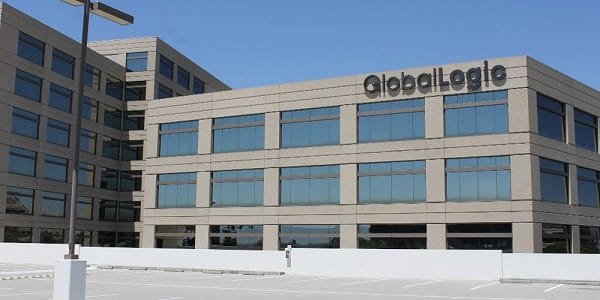
GlobalLogic Company Quick Overview
| Detail | Information |
| Full Legal Name | GlobalLogic Inc. |
| Founded | 2000 |
| Headquarters | Silicon Valley, California, USA |
| Company Type | Subsidiary (Public Parent) |
| Industry | Digital Engineering / Software Product Engineering |
| Acquisition Value | $9.6 Billion (by Hitachi, 2021) |
| Employees | 23,000+ |
| Countries of Operation | 14+ |
| CEO | Shashank Samant |
| Core Services | Software Product Engineering, Experience Design, Technology Modernization, Embedded Engineering |
| Parent Company | Hitachi, Ltd. (acquired 2021) |
| Key Competitors | Endava, EPAM Systems, Thoughtworks, Persistent Systems, Globant |
Why GlobalLogic Is Not a Product-Based Company
GlobalLogic is not product-based because its core business depends on delivering digital engineering services to client companies who own and commercialize the actual products being built. The company helps Fortune 1000 technology, healthcare, automotive, and telecom companies design, engineer, and modernize their software products, platforms, and digital experiences — but the final product, once delivered, belongs entirely to the client, not to GlobalLogic.
This means GlobalLogic’s main revenue model is client-engagement driven. It works on customized engineering projects according to each client’s specific technology needs, rather than selling one standardized software product that it owns and licenses to many customers.
Main Business Model
GlobalLogic operates as an outsourced product development and digital engineering partner. Its core service offerings include software product engineering, experience design, technology modernization, and embedded engineering covering IoT and IT/OT transformation. The company describes its expertise as spanning “chip-to-cloud” — meaning it works across hardware, embedded systems, software, and cloud layers depending on what a client engagement requires.
A typical GlobalLogic engagement might involve helping a telecom operator build a new digital customer platform, helping an automotive company develop connected vehicle software, or helping a healthcare technology firm design a patient-engagement application. In every case, GlobalLogic is the engineering partner, while the client remains the owner and commercial seller of the resulting product.
The “Product Engineering” Confusion
A major reason people question GlobalLogic’s classification is its constant use of the word “product” in its branding and service descriptions. GlobalLogic markets itself heavily around software product engineering, design-led innovation, and helping clients “create high-value products faster.” This language refers to the type of engineering work GlobalLogic performs for its clients — building products on their behalf — not to GlobalLogic owning and selling its own commercial software product.
This is similar to companies like Nagarro and Virtusa, where the word “product” appears prominently in company messaging but actually describes a service capability rather than a commercial product business.
Acquisition by Hitachi: A Service Expansion Move
In 2021, Hitachi acquired GlobalLogic for $9.6 billion to strengthen its software development capability as part of its broader Lumada digital strategy. This acquisition was specifically designed to add engineering services capacity to Hitachi’s industrial and infrastructure businesses, helping bridge operational technology with digital software capability across sectors like rail, energy, and healthcare.
Hitachi did not acquire GlobalLogic to obtain a standalone product portfolio to sell commercially. It acquired GlobalLogic’s engineering talent, design studios, and service delivery capability to enhance how it builds digital solutions for its own industrial clients — a clear service-expansion rationale rather than a product acquisition.
Workforce and Design Studios as Core Strength
GlobalLogic’s biggest strength is its global engineering workforce and design studio network. With over 23,000 design and software engineering professionals operating across 38 engineering centers and 8 design studios in 14 countries, the company depends entirely on human technical talent to deliver outcomes for its enterprise clients.
This people-and-talent-driven structure, supported by physical design and collaboration spaces rather than a centralized product platform, is a clear sign of a service-based company. GlobalLogic’s value comes from engineering depth, design expertise, and client co-creation, not from a fixed product that scales independently of its workforce.
Career Angle for Freshers
For freshers and job seekers, GlobalLogic should not be treated as a pure product-based company despite its strong product engineering branding. It is mainly a service-based digital engineering company that builds software products and platforms on behalf of its clients across telecom, healthcare, automotive, and technology sectors.
The simple answer is: GlobalLogic is not a product-based company. It is primarily a digital engineering services company that helps client companies build, modernize, and scale their own products, earning its revenue through engineering service engagements rather than through selling its own software product.