 By Lal Singh
 Fire is one of the most unpredictable and destructive risks faced by homes, businesses, factories, and warehouses. A single incident can wipe out years of savings, assets, and hard work. Fire insurance exists to protect against this kind of financial shock.
Fire insurance does not prevent accidents, but it reduces the financial damage when they occur. Like any insurance product, it has clear benefits and certain limitations. Understanding both sides helps individuals and businesses decide how and when to use it.
What Is Fire Insurance?
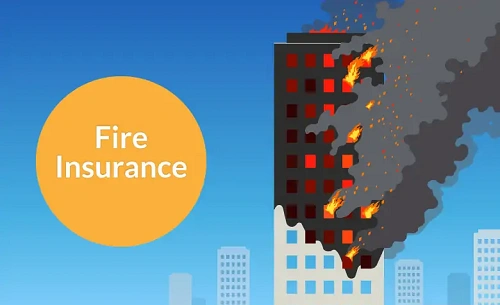
Fire insurance is a contract in which an insurer agrees to compensate the insured for losses or damage caused by fire, in exchange for a premium.
It generally covers:
- Buildings
- Machinery and equipment
- Furniture and fixtures
- Stock and inventory
Coverage is subject to policy terms, conditions, and exclusions.
Advantages of Fire Insurance
1. Financial Protection Against Major Loss
The biggest advantage of fire insurance is financial security.
In case of fire damage, it helps:
- Replace destroyed property
- Repair damaged structures
- Recover value of lost assets
Without insurance, such losses can be devastating.
2. Peace of Mind
Fire insurance reduces mental stress.
Knowing that assets are protected:
- Allows owners to focus on work
- Reduces fear of sudden loss
- Provides confidence in long-term planning
Peace of mind is one of the most valuable benefits of insurance.
3. Supports Business Continuity
For businesses, fire insurance can be critical for survival.
It helps:
- Restart operations after a fire
- Avoid complete shutdown
- Protect working capital
Some policies also include loss of profit coverage, which supports income during downtime.
4. Protection for Valuable Assets
Fire insurance covers high-value assets that are expensive to replace.
This includes:
- Machinery
- Raw materials
- Finished goods
- Office equipment
This protection safeguards investment made over years.
5. Helps in Getting Loans
Banks and financial institutions often require fire insurance.
Having a valid policy:
- Improves loan approval chances
- Protects lender’s interest
- Shows financial responsibility
It is commonly mandatory for mortgaged or financed properties.
6. Affordable Compared to Potential Loss
Fire insurance premiums are relatively low compared to the value of assets insured.
A small annual premium:
- Protects against large losses
- Offers high risk coverage at low cost
This makes fire insurance cost-effective.
7. Encourages Risk Management
Insurance companies often insist on safety measures.
This encourages:
- Installation of fire extinguishers
- Use of safety equipment
- Better fire prevention practices
As a result, overall risk is reduced.
Disadvantages of Fire Insurance
Despite its importance, fire insurance also has limitations.
1. Limited Scope of Coverage
Fire insurance does not cover all types of losses.
Common exclusions include:
- War and nuclear risks
- Willful negligence
- Electrical or mechanical breakdown (unless fire occurs)
Misunderstanding coverage can lead to disappointment at claim time.
2. Complex Terms and Conditions
Fire insurance policies contain detailed clauses.
Issues include:
- Technical language
- Specific conditions for claims
- Strict compliance requirements
Policyholders may find it difficult to understand without expert help.
3. Claim Settlement Delays
Claim settlement may take time.
Delays can occur due to:
- Damage assessment
- Documentation requirements
- Disputes over cause of fire
During this period, businesses may struggle financially.
4. Underinsurance Risk
If assets are insured for less than their actual value, compensation is reduced.
This leads to:
- Partial claim settlement
- Financial loss despite insurance
Many policyholders underestimate asset value to reduce premiums.
5. Regular Premium Payment Obligation
Fire insurance requires timely premium payments.
Failure to pay:
- Leads to policy lapse
- Leaves assets uninsured
Premiums are an ongoing cost, even if no fire occurs.
6. No Coverage for Consequential Losses by Default
Standard fire policies usually do not cover indirect losses.
Examples include:
- Loss of future income
- Market share loss
- Business interruption
Separate add-on covers are required for such protection.
7. Risk of Claim Rejection Due to Non-Compliance
If safety rules or policy conditions are violated, claims may be rejected.
Examples include:
- Lack of fire safety equipment
- Unauthorized building changes
- Delay in claim reporting
Strict compliance is necessary.
When Fire Insurance Works Best
Fire insurance is most effective when:
- Assets are correctly valued
- Coverage matches actual risk
- Safety norms are followed
- Policy terms are clearly understood
Regular policy review ensures continued protection.
Final Thoughts
Fire insurance is a vital safeguard against one of the most serious risks faced by property owners and businesses. It provides financial stability, peace of mind, and a safety net during emergencies. For many, it can mean the difference between recovery and total loss.
However, fire insurance is not a substitute for safety or planning. Limited coverage, complex conditions, and claim-related challenges require careful attention. Simply buying a policy is not enough—understanding it is equally important.
When chosen wisely and managed responsibly, fire insurance becomes a powerful tool for long-term security and risk management.