 By Lal Singh
 Money habits have changed a lot over the past decade. Most of us no longer wait in bank lines or write cheques. Bills come on our phones, and one tap can pay almost anything. With this shift, autopay has become a popular feature. It promises convenience set it once, forget the rest. But many people still wonder: Is autopay actually safe or not? And more importantly, should you use it?
Let’s analyse it in a simple way.
What Exactly Is Autopay?
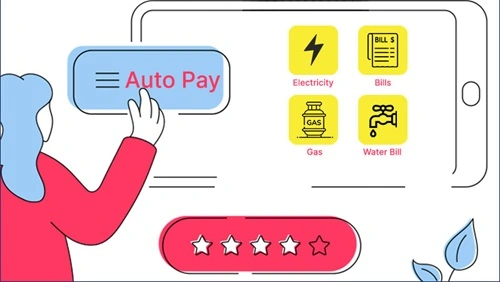
Autopay is a feature offered by banks, credit cards, and service providers where your bill amount gets deducted automatically on the due date. It can be used for:
- Electricity, water, gas bills
- Phone and internet bills
- Loan EMIs
- Credit card payments
- OTT subscriptions and memberships
You give permission once, and the system pays your bills every month without reminders.
Pretty smooth. But like all financial tools, it has two sides.
Is Autopay Safe?
In general, yes, autopay is safe. Banks use encrypted systems, multi-factor authentication, and secure networks. Your payment details are not easily exposed.
But safety also depends on your habits how you monitor your account, how you manage subscriptions, and how often you check your bank statements.
Autopay is not a “risk-free magic button.” It’s a helpful tool that still needs a bit of attention.
The Pros of Using Autopay
Let’s start with the good part. Autopay genuinely makes life easier. Here are the biggest advantages:
1. No More Late Fees
Most people turn to autopay for this reason alone. When payments go out automatically, you never miss a due date.
Late fees on credit cards, EMIs, and utility bills can pile up fast. Autopay removes that headache completely.
2. Better Credit Score
If your credit card and loan payments are always on time, your credit score starts improving. Payment history carries the highest weightage in credit scoring. Autopay makes sure you never slip.
3. Saves Time and Mental Energy
Life is full of enough reminders already. Remembering a dozen bill dates isn’t fun.
Autopay shifts the burden away—one setup, and you’re free from monthly stress.
4. Great for Fixed Payments
Loan EMIs, insurance premiums, broadband plans—these don’t change every month.
Autopay works perfectly for such predictable, fixed charges.
5. Helps with Budgeting (If You Track It)
Having your bills deducted at the same time every month creates a cleaner budget pattern. You know what’s going out and when, making planning easier.
6. Safe and Backed by Bank Protections
Most modern banks offer strong fraud protection. If any unauthorized autopay happens, you can usually dispute it and get the amount reversed.
The Cons of Autopay
Autopay is convenient, but it’s not perfect. Here are the main drawbacks you should keep in mind.
1. You Might Forget About Ongoing Charges
This is the most common problem.
We all subscribe to apps, streaming services, or memberships we don’t even use.
Because autopay deducts money silently, inactive subscriptions continue for months.
Autopay works in the background—sometimes a little too quietly.
2. Low Bank Balance Can Trigger Penalties
If autopay tries to deduct money and your account doesn’t have enough balance:
- Your payment may bounce
- You may face penalty charges
- Your credit score can drop (for EMIs/credit cards)
Autopay needs a steady bank balance. Forgetting this can cost you.
3. Variable Bills Can Be Risky
Utility bills often fluctuate:
- Electricity during summer
- Water usage
- Phone data charges
If you set autopay without checking bill amounts, big spikes can surprise you. Sometimes people discover the issue after money has left their account.
4. Harder to Catch Fraud or Mistakes
Most people don’t closely watch accounts once autopay is activated.
If a company:
- Overcharges
- Bills twice
- Adds hidden fees
—you might not notice for months. Autopay requires occasional monitoring.
5. Cancelling Isn’t Always Smooth
Some companies make it difficult to cancel autopay or subscriptions.
If you forget to turn it off, deductions may continue unnecessarily.
It’s not unsafe, but it can be annoying and costly.
So… Should You Use Autopay?
Yes, Autopay is safe and useful, but only if you stay a little alert.
✔ Use autopay for:
- Loan EMIs
- Credit card minimum dues or full amount
- Insurance premiums
- Fixed monthly bills
These are predictable and important. Missing them can hurt your finances.
❌ Avoid autopay for:
- Subscriptions you don’t use often
- Variable electricity/water bills
- Services that charge based on usage
- Any company with mixed reviews or poor customer service
For such payments, manual control is better.
Tips to Use Autopay Safely
Here are some easy habits to stay in control:
1. Check your bank statement once a week: A quick glance helps you spot any irregular charges.
2. Keep enough balance in your primary account: Maintain a buffer to avoid failed deductions.
3. Set transaction alerts: SMS and app notifications help you stay updated instantly.
4. Review all subscriptions every 2–3 months: Cancel whatever you’re not using.
5. Use autopay only from trusted platforms: Banks and well-known companies are safer choices.
Final Verdict
Autopay is safe. It saves time, prevents late fees, and simplifies money management. But like any tool, it works best when you keep an eye on it.
Think of it as cruise control in a car. It makes the ride smoother, but you still need your hands on the wheel.
Use it wisely, track your expenses, and autopay can become one of the most helpful financial features in your routine.