 By Lal Singh
 Every organization depends on people to achieve its goals. Machines, technology, and capital are important, but without the right people, nothing works effectively. Managing people in a structured and fair way is the role of Human Resource Management (HRM).
Human Resource Management deals with recruitment, training, performance, motivation, employee relations, and welfare. When HRM is strong, organizations grow with stability and harmony. When it is weak or poorly implemented, conflicts, inefficiency, and high turnover become common. Like any management function, HRM has both advantages and disadvantages.
To understand its true impact, let’s examine the advantages and disadvantages of human resource management in detail, step by step.
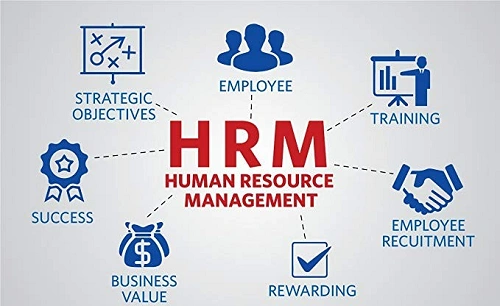
What Is Human Resource Management?
Human Resource Management is the process of planning, organizing, directing, and controlling human resources in an organization to achieve organizational and individual goals.
It includes:
- Recruitment and selection
- Training and development
- Performance appraisal
- Compensation and rewards
- Employee relations and welfare
The main objective is to make the best use of human talent.
Advantages of Human Resource Management
1. Efficient Utilization of Human Resources
One of the biggest advantages of HRM is proper use of manpower.
HRM ensures:
- Right person is placed in the right job
- Skills are matched with job requirements
- Employee potential is fully utilized
This improves productivity and efficiency.
2. Improved Recruitment and Selection
HRM provides a systematic hiring process.
It helps in:
- Identifying suitable candidates
- Reducing hiring mistakes
- Selecting skilled and competent employees
Better recruitment improves overall organizational performance.
3. Employee Training and Development
HRM focuses on continuous learning.
It:
- Improves employee skills
- Prepares staff for future roles
- Increases adaptability to change
Training leads to better quality of work.
4. Higher Employee Motivation and Morale
HRM designs reward and recognition systems.
This:
- Motivates employees
- Improves job satisfaction
- Builds loyalty toward the organization
Motivated employees perform better.
5. Better Employee Relations
HRM acts as a bridge between management and employees.
It:
- Handles grievances
- Resolves conflicts
- Promotes cooperation
Healthy relations reduce workplace tension.
6. Improved Organizational Culture
HRM helps build a positive work environment.
It encourages:
- Teamwork
- Ethical behavior
- Open communication
A strong culture supports long-term success.
7. Legal Compliance and Risk Reduction
HRM ensures compliance with labor laws.
It helps organizations:
- Follow employment regulations
- Avoid legal disputes and penalties
This protects organizational reputation.
8. Support for Strategic Goals
HRM aligns people management with business strategy.
It ensures:
- Workforce planning supports long-term goals
- Talent development matches future needs
People become a strategic asset.
Disadvantages of Human Resource Management
Despite its benefits, HRM also has limitations.
1. High Cost of Implementation
HRM systems can be expensive.
Costs include:
- Recruitment processes
- Training programs
- Compensation and benefits
Small organizations may struggle with these expenses.
2. Time-Consuming Process
HR activities require time and effort.
Processes like:
- Hiring
- Training
- Performance appraisal
can slow decision-making and operations.
3. Resistance from Employees and Managers
HR policies may face resistance.
Employees may:
- Resist change
- Fear performance evaluation
Managers may see HR rules as interference.
4. Over-Dependence on HR Policies
Too many rules can reduce flexibility.
Strict HR policies may:
- Limit managerial freedom
- Reduce creativity
This can slow innovation.
5. Subjectivity and Bias
HR decisions may be influenced by human judgment.
Bias in:
- Appraisal
- Promotion
- Recruitment
can create dissatisfaction and conflict.
6. Difficult Measurement of HR Outcomes
HR results are not always easy to measure.
Factors like:
- Motivation
- Satisfaction
- Culture
are qualitative and hard to quantify.
7. Risk of Employee Dissatisfaction
Poor HR practices can backfire.
If policies are:
- Unfair
- Inconsistently applied
employees may feel demotivated and disengaged.
8. Not Always Suitable for Very Small Organizations
For small firms:
- Formal HRM may be unnecessary
- Informal management may work better
HRM can feel excessive for simple operations.
When Human Resource Management Works Best
Human Resource Management is most effective when:
- Top management supports HR policies
- Employees are involved and informed
- Practices are fair and transparent
- HR aligns with business strategy
Balance is essential.
Final Thoughts
Human Resource Management plays a vital role in modern organizations. It improves productivity, builds employee capability, ensures legal compliance, and creates a positive work environment. When HRM is applied thoughtfully, people become a strong source of competitive advantage.
However, HRM is not without challenges. High costs, resistance to change, bias, and rigid policies can reduce its effectiveness. Poor implementation may harm morale instead of improving it.
The true value of human resource management lies in balance. When people are managed with fairness, flexibility, and strategic intent, HRM becomes a powerful force for sustainable organizational success.